


Cocaine – the current situation in Europe (European Drug Report 2026)
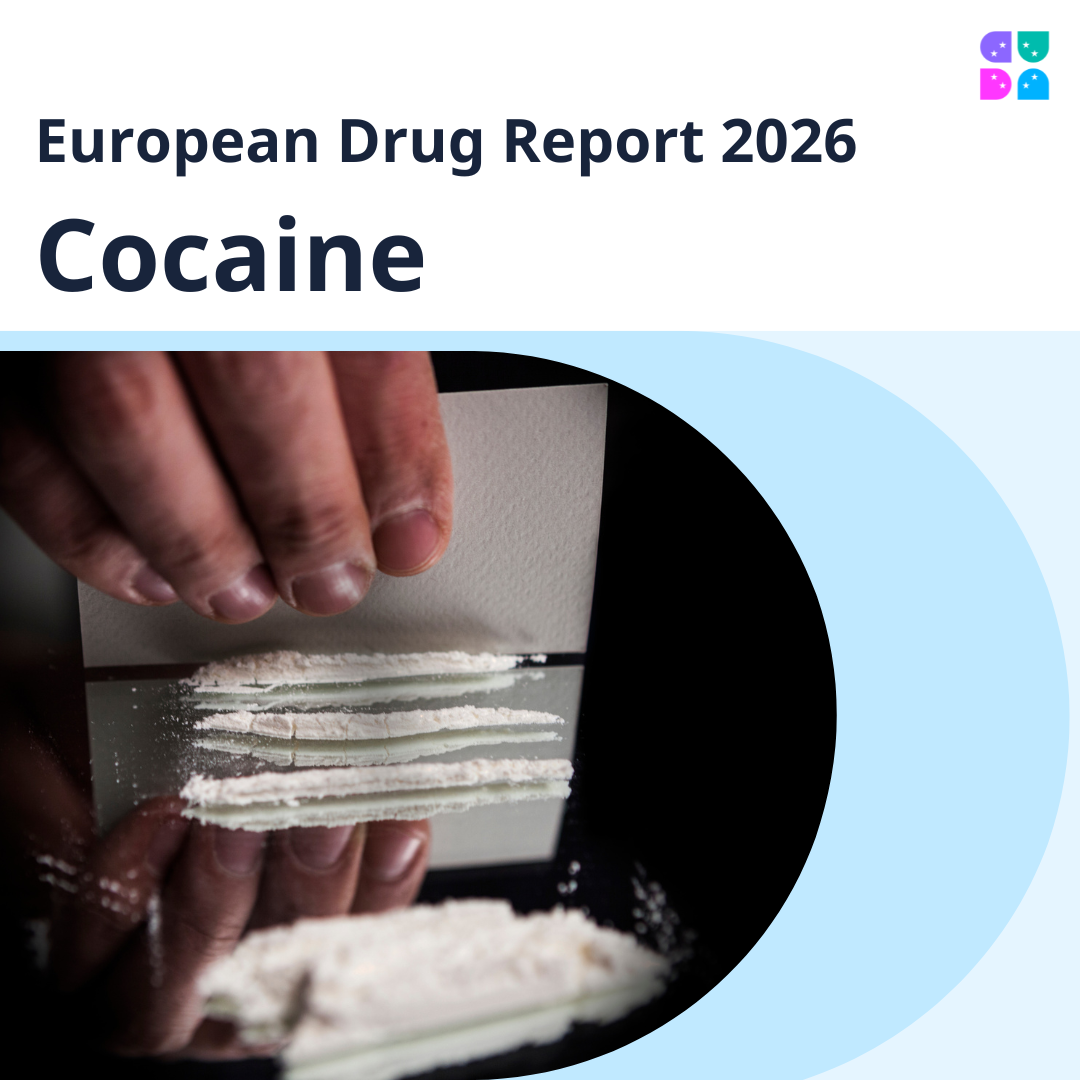
Cocaine is, after cannabis, the second most commonly used illicit drug in Europe. Here you can find the latest analysis regarding cocaine in Europe, including prevalence of use, treatment demand, seizures, price and purity, harms and more.
This page is part of the European Drug Report 2026, the EUDA’s annual overview of the drug situation in Europe.
Last update: 9 June 2026
Resilient cocaine supply driving public health challenges
Cocaine is, after cannabis, the second most commonly used illicit drug in Europe, although prevalence levels and patterns of use differ considerably between countries (see Prevalence and patterns of cocaine use). Most commonly available as powder cocaine (a salt form), the drug may also be available as crack cocaine (a smokeable, freebase form). As cocaine’s availability continues to increase, concerns have grown that cocaine’s health and social costs are rising significantly.
Cocaine is produced from the coca plant, grown in South America. It enters Europe through various routes and methods, but bulk trafficking through seaports in commercial shipping containers sustains cocaine’s high availability. Where container ports are exploited by cocaine traffickers, high levels of drug-related crime, including corruption of staff, intimidation and violence, have been documented. Competition within the cocaine market is an important driver of crime, including gang-related violence and homicides in some countries. Cocaine use, and crack cocaine use in particular, appears to be becoming more common, especially among some marginalised communities. Overall, increased cocaine availability in Europe is linked to public health harms and drug-related crime and violence.
Diverse trafficking tactics fuel cocaine availability
In 2024, the quantity of cocaine seized by EU Member States decreased to 330 tonnes from 419 tonnes in 2023. However, against a backdrop of increased cocaine production in South America, the number of seizures increased, suggesting shifting trafficking routes and methods rather than a decrease in the quantities shipped to Europe (see also Europe’s drug situation in 2026). Spain and France reported the largest quantities seized in 2024, with Spain confiscating 124 tonnes and France reporting the largest amount of cocaine it had ever seized, 53.5 tonnes. Meanwhile, quantities seized decreased significantly in Belgium (by 64%), Germany (by 45%) and the Netherlands (by 36%), in part reflecting intensified law enforcement and customs operations at large ports.
Traffickers use other methods to evade detection, with more reports of smaller ports being exploited, at-sea transfers via a variety of vessels, manned and unmanned semi-submersibles, drones and complex physical and chemical concealment. This is evident from, for example, recent large at-sea seizures from merchant ships and speedboats and sophisticated concealments in foodstuffs in air freight (Figure 3.1). Customs and law enforcement are responding to increasingly unpredictable and fragmented trafficking routes, methods and concealments, all contributing to a more demanding operating environment.
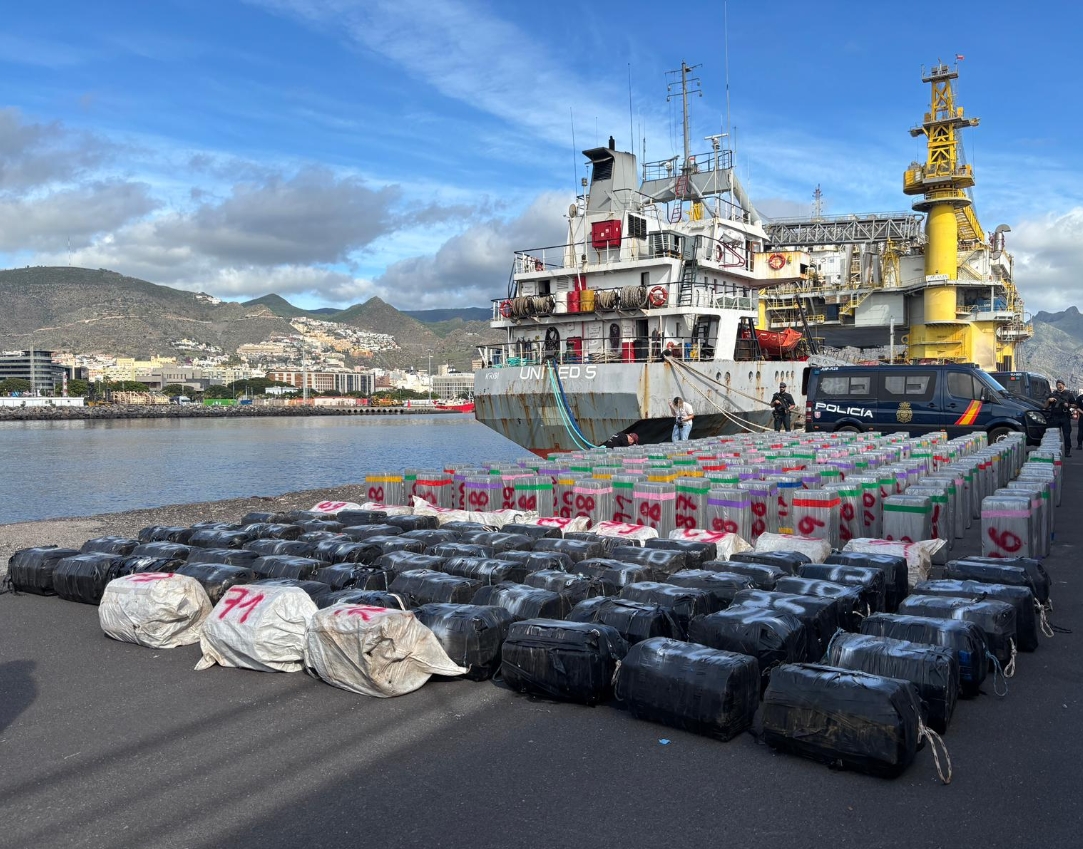
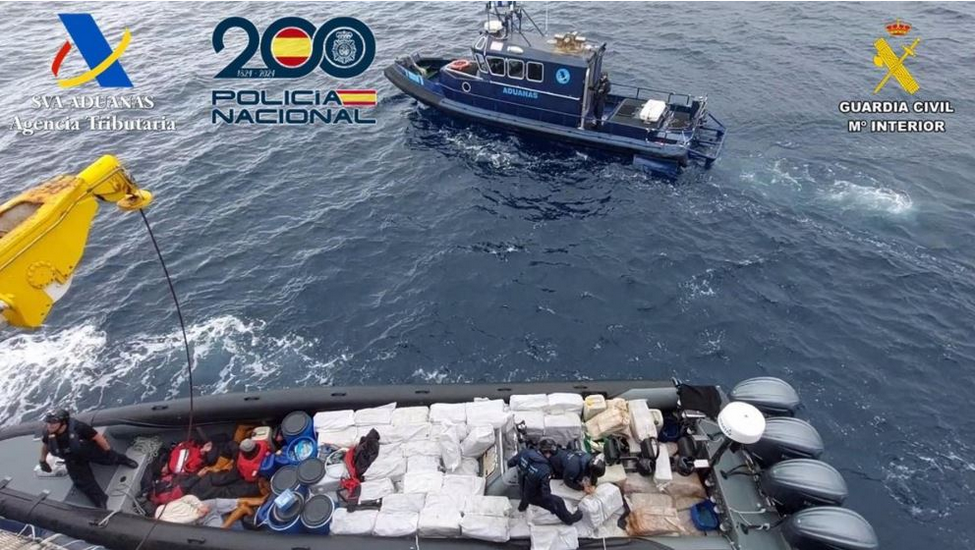
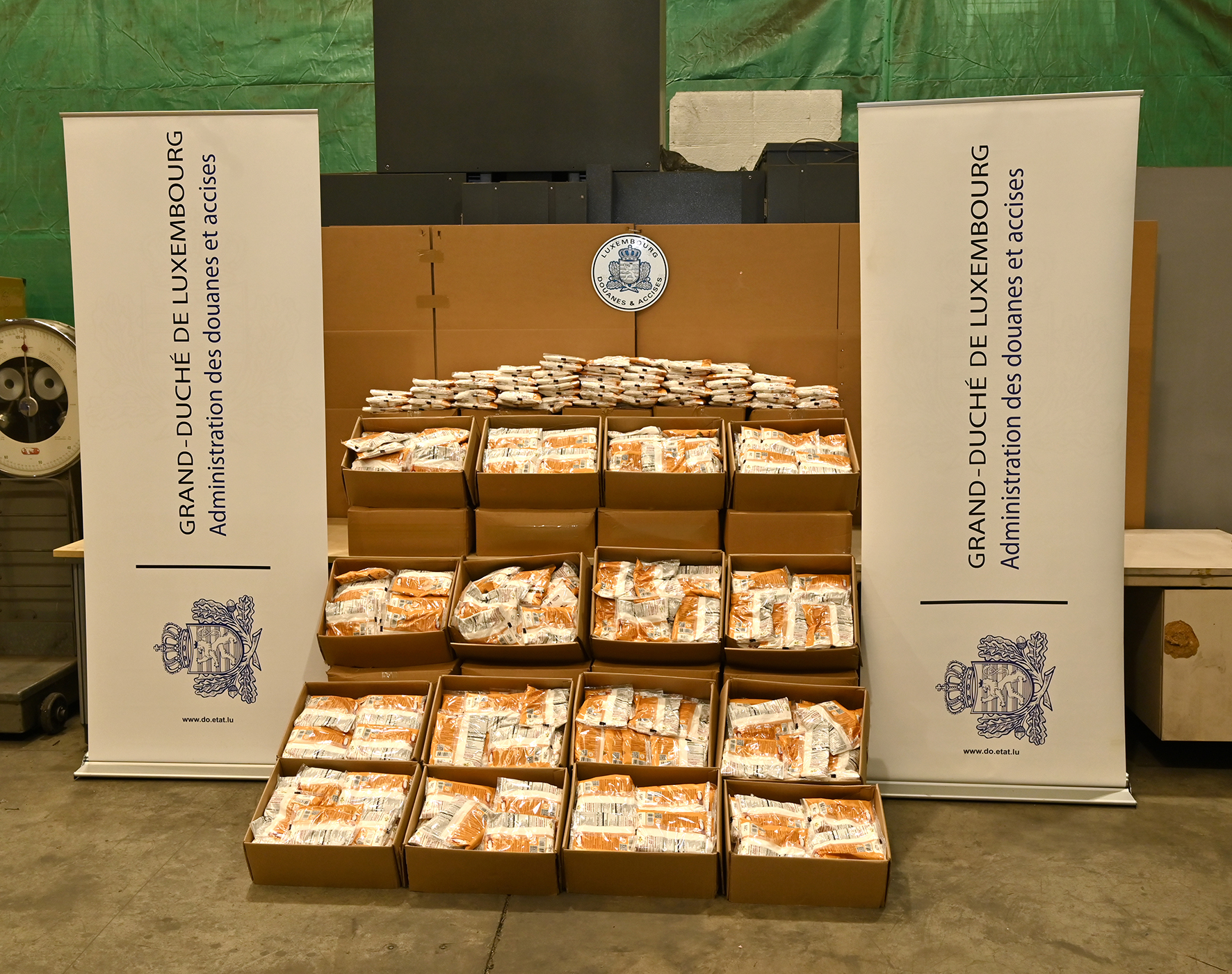
Note: Seizures of 10 tonnes of cocaine concealed on a merchant ship by the Spanish National Police, 2026 (left); 4 tonnes of cocaine from a speedboat by the Spanish Tax Agency, Civil Guard and National Police, 2024 (middle); and 508 kilograms of cocaine concealed in air freight seized by the Luxembourg Customs and Excise Agency, 2025 (right).
European cocaine production
The illicit processing of cocaine products takes place in Europe, with multiple cocaine laboratories dismantled each year, some of which are relatively large-scale (Figure 3.2). While cocaine production in Europe is mostly concentrated in the Netherlands, five other EU Member States reported dismantling processing sites in 2024. Among these sites were facilities for secondary extraction of cocaine chemically concealed in other materials (e.g. plastics) to evade detection in commercial shipments. In addition, cocaine base and paste are trafficked in large quantities to Europe for processing into cocaine hydrochloride.
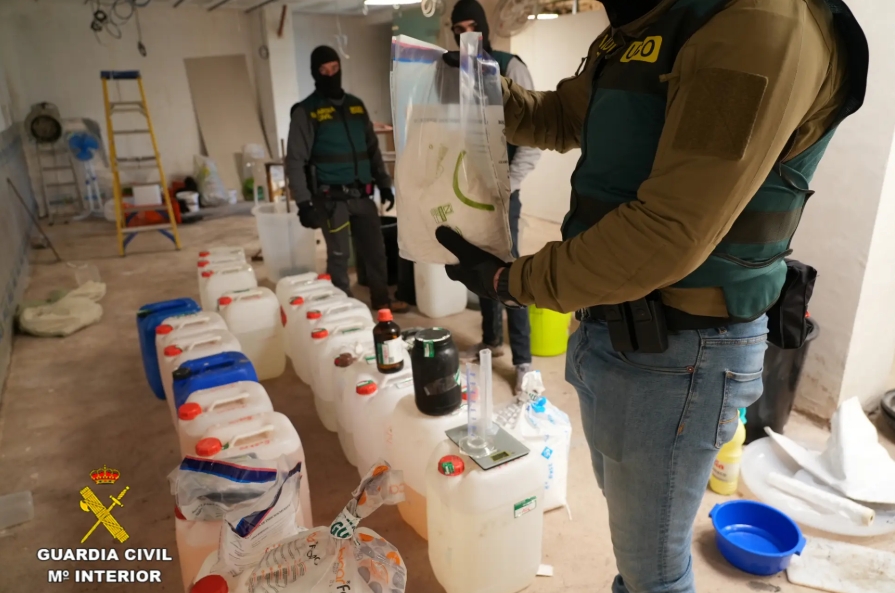
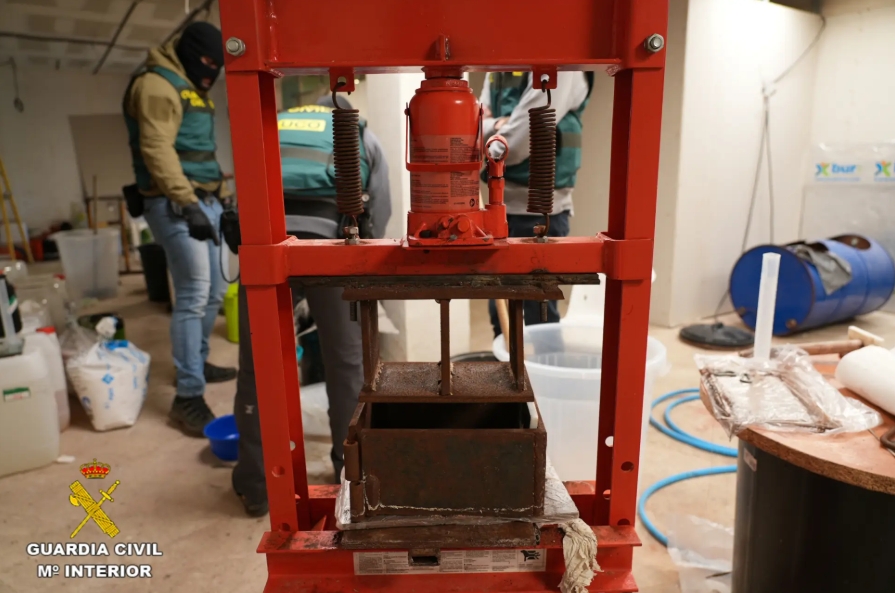
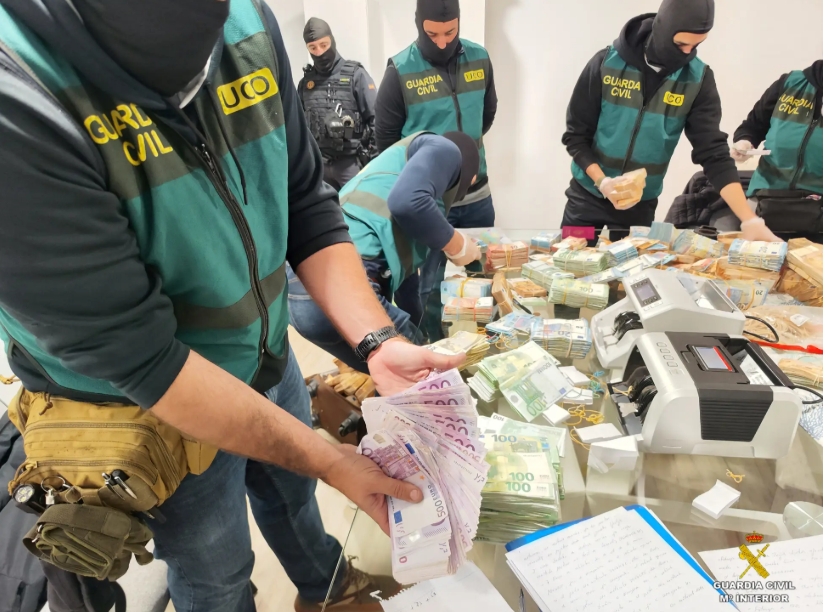
Note: Seizure by the Civil Guard.
Cocaine-related health problems continue to grow
The high availability of cocaine is having a growing negative impact on public health in Europe, and use of the drug remains an important issue for prevention and harm reduction messaging and interventions. Cocaine is the second most frequently reported illicit drug by first-time entrants to specialist drug treatment and remains the most frequently reported substance in acute drug-toxicity presentations to sentinel hospital emergency departments. In 2024, cocaine was involved in 27% of drug-induced deaths. As cocaine use can aggravate cardiovascular problems, its role in mortality in Europe is underestimated. Data on cocaine residues in municipal wastewater and other sources suggest that cocaine’s increasing availability has been accompanied by a wider geographical and social distribution. European drug checking services reported that cocaine was the second most common substance they screened in 2025. Of particular concern is the use of cocaine, including crack cocaine, among more marginalised groups in some countries. Injecting of both powder cocaine and crack cocaine, either alone or in combination with heroin, is reported by drug consumption rooms across Europe. Cocaine injecting has been involved in localised HIV outbreaks in four European cities over the last decade (see Injecting drug use in Europe – the current situation).
Reducing harms and treating cocaine use remain challenging
Cocaine use is associated with adverse health consequences, with most chronic harms related to intensive, high-dose or long-term consumption which, in addition to dependence, can increase the risk of cardiovascular problems. Cocaine use can trigger stimulant-induced psychosis, for which integrated drug treatment and mental health services are often lacking. Regular cocaine use and high-risk use patterns are more strongly associated with harmful outcomes, such as suicide, accidental injury, homicide and HIV/AIDS. The combined use of cocaine and alcohol is common, and in the presence of the two substances, the body creates cocaethylene, potentially increasing the health risks.
Treating people with cocaine-related problems remains challenging, whether they are socially integrated and involved in episodic use of powder cocaine, or more marginalised groups injecting cocaine or smoking crack cocaine. The current evidence supports the use of psychosocial interventions, including cognitive behavioural therapy and contingency management. However, the evidence remains insufficient to support any pharmacological treatment. Treatment can be particularly challenging among more marginalised groups, potentially requiring integrated services, when patients also experience problems with their mental and physical health and with other drugs, including opioids or alcohol, possibly compounded by socio-economic deprivation and unstable accommodation. Existing harm reduction responses can reduce route-specific harms from injecting cocaine and smoking crack. However, more comprehensive interventions are needed, as is greater investment to ensure services are aligned with growing needs in some countries.
Key data and trends
Prevalence and patterns of cocaine use
- In the European Union, surveys indicate that 2.5 million 15- to 34-year-olds (2.5% of this age group) used cocaine in the last year (Figure 3.3). Of the 14 European countries that have conducted surveys since 2023, seven reported higher estimates than their previous comparable survey and four reported a stable trend.
- In the 2024 ESPAD school survey, on average, 2% of 15- to 16-year-old school students reported having used cocaine at least once in their lifetime.
- Cocaine residues in municipal wastewater increased in 48 (57%) out of 85 cities from 23 EU Member States, Norway and Türkiye with data for both 2025 and 2024, while 21 (25%) cities reported no change and 16 (19%) cities reported a decrease (Figure 3.4).
- In the 2024 European Web Survey on Drugs, a non-representative survey of people who use drugs, 29% of EU or Norwegian respondents reported having used powder cocaine, crack cocaine or both in the last 12 months. Polysubstance use was reported by 96% of those using powder cocaine.
- Analysis of 3 256 used syringes by the ESCAPE network of 21 cities in 14 EU Member States and Norway in 2024 found that cocaine was detected in more than 50% of syringes in 10 cities: Thessaloniki (95%), Barcelona (94%), Limerick (91%), Split (87%), Dublin (70%), Madrid (69%), Cork (69%), Volos (68%), Cologne (62%) and Athens (61%).
Treatment entry for cocaine use
- Cocaine was the second most common problem drug among people entering specialist drug treatment for the first time in 2024, cited by an estimated 37 000 clients or 25% of all first-time entrants (Figure 3.5).
- The number of clients entering treatment for cocaine-related problems for the first time increased by 39% between 2018 and 2024.
- A time lag of 14 years exists between first use of powder cocaine (12 years for crack), on average at the age of 22, and first treatment for cocaine-related problems, on average at the age of 36 (Figure 3.5).
- Injecting was reported as the main route of administration by less than 2% of first-time cocaine clients in 2024.
Treatment entry for crack cocaine use
- Just 5 EU Member States accounted for 85% of the estimated 11 400 crack-related treatment entrants in 2024 (9 900 in 2023), of which 4 300 were first-time entrants (Figure 3.5).
- The number of first-time treatment entrants with crack cocaine as primary drug increased by 53%, from 2 800 clients in 2018 to 4 300 clients in 2024.
- Almost one quarter of those who enter treatment for crack cocaine are women (23% in 2024).
- Drug consumption rooms in 15 cities across 12 EU Member States and Norway provide data to the EUDA. In the first half of 2025, powder cocaine use was reported in 10 cities across 8 countries, while crack cocaine use was reported in 12 cities across 9 countries. Crack cocaine was mostly smoked, while powder cocaine was mostly injected. Injection accounted for a minority (4-20%) of crack cocaine consumption episodes in drug consumption rooms that allow smoking in 4 cities in 3 EU Member States, but for all episodes in 2 cities in 2 countries where smoking was not permitted.
Harms related to cocaine use
- Cocaine was the most common substance reported by Euro-DEN Plus sentinel hospitals in 2024, mentioned in 26% (1 374) of acute drug-toxicity presentations.
- The median age of those presenting was 33 years; 79% were males.
- Six Euro-DEN Plus sentinel hospitals reported an increase in presentations involving cocaine in 2024 compared with 2023, while 8 reported a decrease (Figure 3.6).
- Among the 20 European countries providing data for both years, cocaine was involved in approximately one quarter (1 133 or 27%) of the drug-induced deaths in 2024 (1 053 or 26% in 2023).
- Most cocaine-related deaths involved polysubstance use (Figure 3.7).
Cocaine market data
- In 2024, EU Member States reported 97 000 cocaine seizures, amounting to 330 tonnes (419 tonnes in 2023). Spain (124 tonnes), France (53.5 tonnes) and Belgium (44.6 tonnes) together accounted for 67% of the total quantity seized (Figure 3.8). In addition, significant quantities were reported by the Netherlands (37.6 tonnes), Germany (23.8 tonnes), Portugal (23 tonnes), Italy (11 tonnes), Ireland (3.3 tonnes) and Türkiye (2.5 tonnes).
- The average purity of cocaine at retail level ranged from 48% to 92% across Europe in 2024, with half of the countries reporting an average purity between 64% and 75%. While the price of cocaine at retail level has decreased over the past decade, cocaine purity has been on an upward trend, and in 2024 reached a level 44% higher than the index year of 2014 (Figure 3.8).
- In 2024, 6 EU Member States dismantled at least 42 sites related to cocaine production (34 in 2023). An additional facility was dismantled by Türkiye. A considerably lower quantity of potassium permanganate, an essential chemical in cocaine production, was seized in 2024 (17 kilograms) than in 2023 (2.1 tonnes). In contrast, seizures of the cocaine adulterant procaine surged in 2024 to 7.3 tonnes (130 kilograms in 2023).
- In 2024, cocaine was cited in 102 000 use or possession offences, representing about 14% of all such offences for which the drug is known.
- In 2025, a purity of 80% or higher was found in about 65% (50% in 2024) of the cocaine samples tested by 9 drug checking services across 5 EU Member States. The same services reported caffeine (5% of samples), procaine and phenacetin (4% each) and levamisole (3%) as the most frequently detected adulterants.
See also EU Drug Market: Cocaine and Stimulants: health and social responses.
Source data
The data used to generate infographics and charts on this page may be found below.
The complete set of source data for the European Drug Report 2026, including metadata and methodological notes, is available in our data catalogue.
A subset of this data, used to generate infographics, charts and similar elements on this page, may be found below.
Prevalence of drug use data tables including general population surveys and wastewater analysis (all substances)
Other data tables including tables specific to cocaine