


Heroin and other opioids – the current situation in Europe (European Drug Report 2026)
Heroin remains Europe’s most used illicit opioid and is responsible for a large share of the health burden attributed to illicit drug consumption. Europe’s opioid problem, however, continues to evolve, creating new challenges. On this page, you can find the latest analysis regarding heroin and other opioids in Europe, including prevalence of use, treatment demand, seizures, price and purity, harms and more.
This page is part of the European Drug Report 2026, the EUDA’s annual overview of the drug situation in Europe.
Last update: 9 June 2026
Europe’s changing opioid market complicates harm reduction and treatment
Treatment challenges
Heroin remains Europe’s most used illicit opioid, accounting for a large proportion of the health burden attributed to illicit drug consumption. Europe’s opioid phenomenon, however, continues to evolve in ways that are likely to have important implications for responses.
Data on entry into drug treatment and other indicators suggest that Europe’s heroin-using population is ageing and possibly declining. Between 2014 and 2024, the mean age of all clients entering specialist drug treatment for heroin use and for those doing so for the first time increased, as did the proportion of older clients (Figure 6.1, Figure 6.2). Fewer people are now entering treatment for heroin than for other opioids, including new synthetic opioids and the opioid agonist medications methadone and buprenorphine. Services are now addressing more complex patterns of drug use and a broader range of health and social support needs. These include challenges linked to polysubstance use, prevention and treatment of age-related illness, the need for effective multi-agency partnerships and referral pathways with general health and social support services. In addition, opioid agonist treatment provision remains insufficient in some EU Member States (see Opioid agonist treatment – the current situation in Europe).
Risks from other opioids
While heroin continues to be involved in many opioid-related deaths in some countries, other opioids are more prominent overall (see Drug-induced deaths – the current situation in Europe). In acute drug toxicity presentations at Euro-DEN sentinel hospitals in 2024, heroin remained the most commonly reported opioid, but in some cities other opioids – opioid agonist medicines, pain relief medicines or potent new synthetic opioids – have overtaken heroin as a driver of presentations. Polysubstance use involving opioids increases the risk of drug-induced death. Among those entering specialised drug treatment services, injecting has decreased over the last decade, with only 18% of new heroin clients reporting injection as their main route of administration (Figure 6.3). Moreover, people who inject opioids are injecting a more diverse range of substances, including other opioids, stimulants and new psychoactive substances, either alone or in combination with other drugs (see also Injecting drug use in Europe – the current situation).
Diversifying opium production and stockpiles supply Europe’s resilient heroin market
Estimating opium and heroin supplies
The ban on opium poppy cultivation, introduced by the Taliban in April 2022, has greatly reduced the production of opium and heroin in Afghanistan, the main source of Europe’s heroin. The United Nations Office on Drugs and Crime (UNODC) estimated a 95% drop in opium cultivation in 2023, to 10 800 hectares, down from 232 000 hectares in 2022, with similar estimates for 2024 (12 800 hectares) and 2025 (10 200 hectares). High-resolution satellite analysis using census-based methodology by Alcis , a geospatial analysis company, suggests a substantial increase in cultivation from 7 382 hectares in 2024 to 12 818 hectares in 2025. Estimates of Afghan opium production in 2025 differ, with Alcis estimating opium output at 414 tonnes and the UNODC estimating 296 tonnes. Based on its opium production estimate, the UNODC estimates a potential export quality heroin production of 22-34 tonnes, far below the 350-580 tonnes of heroin estimated for 2022. Our most recent estimate of heroin demand in the European Union was that 124 tonnes of heroin (range 97 to 155 tonnes) at retail-level purity was consumed in 2021.
Diversifying opium suppliers and stocks
The relative stability of heroin availability in Europe is partly attributed to Afghanistan’s large stockpiles, estimated in an Alcis report to the EUDA at around 12 000 tonnes of opium in 2025, advanced processing and adulteration practices, and tactical supply management by trafficking networks. These factors appear to have sustained heroin supply levels to date, despite declining opium cultivation in Afghanistan. Pakistan, particularly the province of Balochistan, bordering Afghanistan and home to major seaports, has also emerged as a source of opium and heroin, with satellite imagery analysis suggesting around 9 116 hectares of opium poppy cultivation in 2025, potentially rivalling Afghanistan’s output in 2025 (see Understanding Europe’s drug situation in 2026). The emergence of regional sources, such as Pakistan, highlights the role of the ‘southern route’, a maritime corridor linking South Asia to Europe, in heroin trafficking to Europe. See also Drug supply, production and precursors – the current situation in Europe.
Vigilance needed to detect drug market shifts
While a sustained decrease in heroin production in Afghanistan could eventually lead traffickers to seek alternative sources, fully replacing heroin from Afghanistan with other sources such as Myanmar would be difficult due to Afghanistan’s relative proximity and historically large production and trafficking volumes. Nonetheless, it is notable that UNODC estimates that opium poppy cultivation in Myanmar reached a ten-year peak of 45 200 to 53 100 hectares in 2025, and trade routes between South-East Asia and Europe are growing. European countries should remain vigilant for signs of market shifts, such as increased synthetic opioid or stimulant use. While supply constraints are evident, market resilience, supported by stockpiles, trafficking adaptations and regional production, will likely maintain heroin availability in Europe, with large seizures still occurring in countries on key trafficking routes (Figure 6.4).
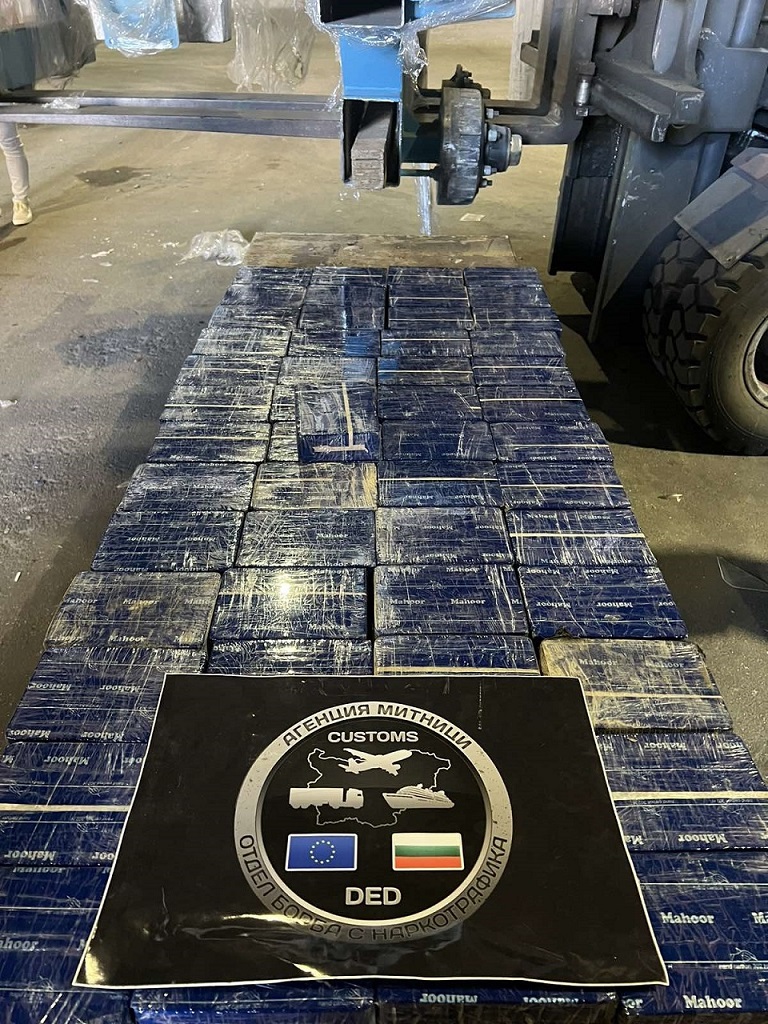
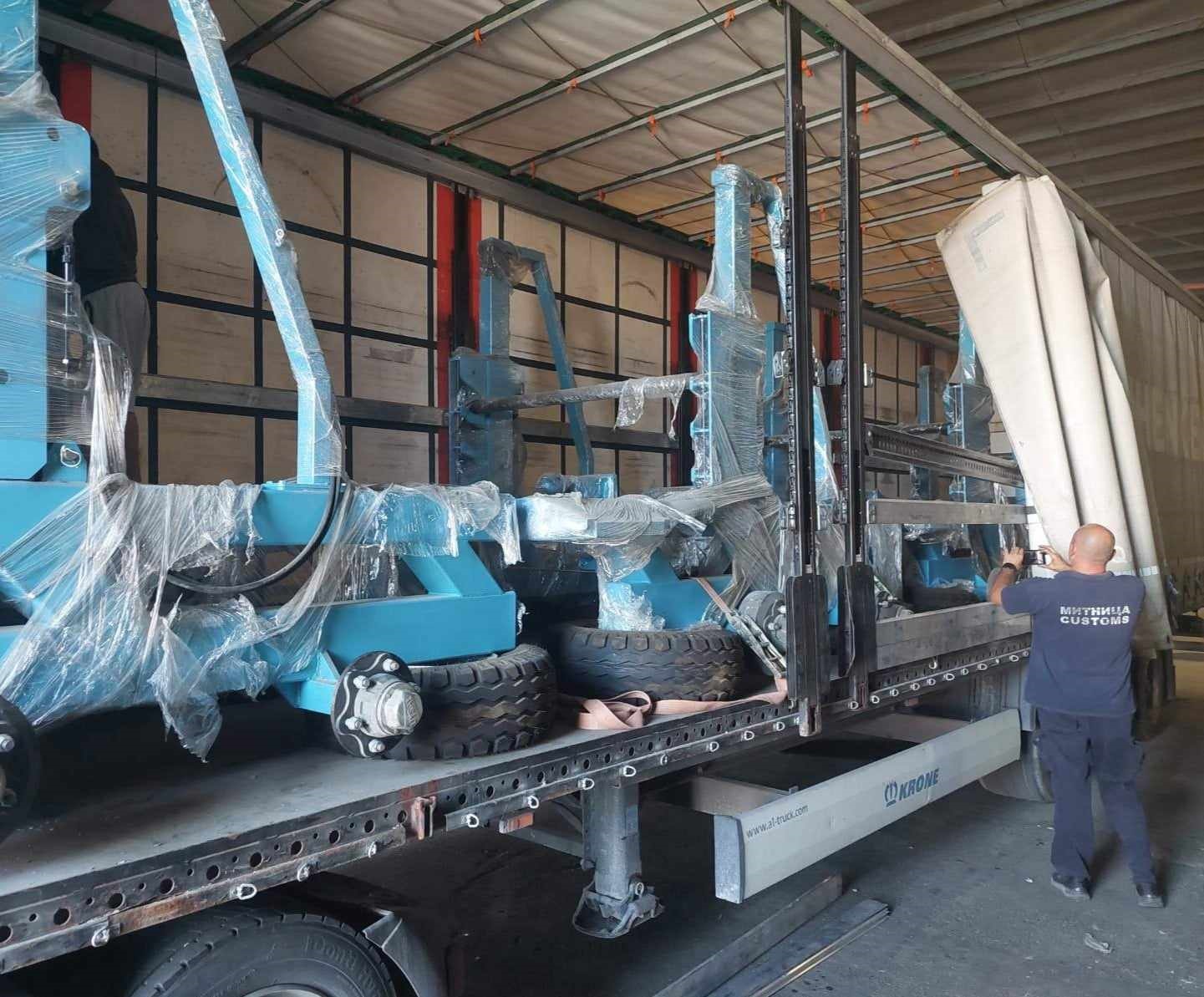

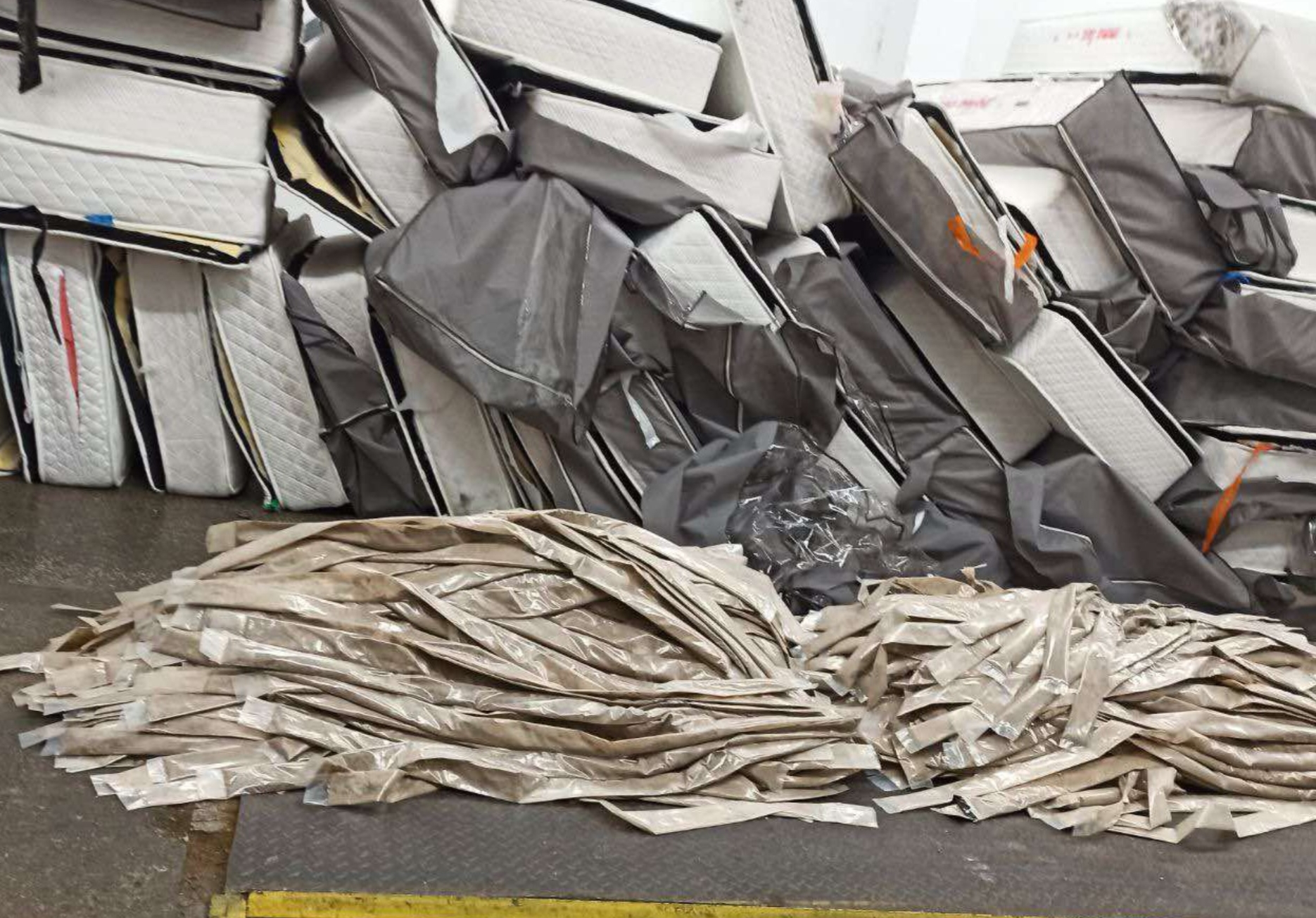
Note: Drugs seized by the National Customs Agency of Bulgaria.
Life-threatening new synthetic opioids remain available in Europe
New synthetic opioids play a relatively small role in Europe’s drug market. However, they represent a significant problem in the Baltic countries, and signals suggest they have the potential to become more prominent in Europe’s drug problems overall. Highly potent synthetic opioids, such as fentanyl and its derivatives, including carfentanil, as well as nitazenes and orphines, are reported to the EU Early Warning System annually. Minuscule amounts of these substances are needed to make a retail-level dose. Reflecting a broadening of overdose risk, in 2024 authorities in 10 countries detected more than 50 000 nitazene‑containing tablets, up from 23 000 in 2023 and only 380 in 2022 (see New psychoactive substances in Europe – the current situation).
Fentanyl availability and deaths raise concern
Several indicators suggest that fentanyl has become more widely available in Bulgaria, where it is associated with serious harms including fatalities. During 2024, police seized multiple kilograms of material containing fentanyl in operations across Bulgaria. Fentanyl is believed to be sourced abroad and imported. Over the period 2024-2025, fentanyl has been associated with over 100 drug-induced deaths in Bulgaria. Fentanyl-related deaths and hospitalisations, initially reported mainly in Sofia, were observed in other Bulgarian cities in 2025. In the context of limited harm reduction service provision, including the absence of take-home naloxone programmes, this is of particular concern.
The repeated large seizures, geographical spread and unidentified fentanyl production and trafficking sources create the potential for further fentanyl problems in Bulgaria and possibly elsewhere. Elsewhere in Europe, four seizures of the fentanyl precursor N-boc-4-piperidone totalling 30 kilograms were reported by Spain and the Netherlands at the end of 2024. It remains unknown if these precursors were destined for EU production facilities or transiting through Europe to non-EU locations when seized.
Responding to shifting opioid risks
Enhancing preparedness remains critical to Europe’s ability to respond rapidly to poisoning outbreaks related to highly potent synthetic opioids or the increased use of other drugs, such as cocaine, amphetamines or synthetic cathinones, as replacement substances during reduced availability of heroin. Enhancing EU and national preparedness to anticipate and respond to drug-related health and security threats is a central pillar of the EU Drugs Strategy. Enhancing access to opioid agonist treatment, needle and syringe exchanges and take-home naloxone remain key tools for addressing current opioid problems and ensuring resilience in the fact of potential market shifts. Monitoring the drugs available at retail level in local drug markets is vital for identifying sudden changes in substances for sale and the emergence of dangerous batches of drugs. The EU Early Warning System will continue to play a key role in this regard, as will the EUDA’s new drug alert and threat assessment systems.
See also Opioids: health and social responses.
Key data and trends
Prevalence of opioid use
- It is estimated that 0.3% of the EU adult population, or around 850 000 people, used opioids in 2024 (860 000 in 2023).
Treatment entry for use of heroin and other opioids
- Opioid use was reported as the main reason for entering specialised drug treatment by 68 000 clients in 2024, representing 21% of all those entering drug treatment in Europe.
- Heroin was the primary drug for 10 000 (64%) of the 18 000 first-time entrants who reported a specific opioid as their main problem drug. Another 3 400 first-time opioid treatment clients did not specify their primary drug.
- The available data suggest that the long-term downward trend in the number of people entering treatment for heroin use has continued (Figure 6.5), while diverse opioids (e.g. misused medications, new synthetic opioids) are increasingly cited as the main reason for entering treatment.
- An estimated 505 000 clients received opioid agonist treatment in EU Member States in 2024 (511 000 in 2023).
Harms related to opioid use
- Opioids, including heroin and its metabolites, often in combination with other substances, were estimated to be present in around 7 out of 10 fatal overdoses in the European Union in 2024, often in combination with other substances (see Drug-induced deaths – the current situation in Europe).
- In 2024, heroin was the fourth most frequently reported drug in acute drug toxicity presentations in Euro-DEN Plus hospitals in the European Union and Norway, accounting for 10% of all cases. Presentations involving heroin were reported in 21 of the 29 hospitals (Figure 6.6). The median age of those presenting with heroin was 37 years; 75% were males.
- In 13 of the 21 hospitals reporting heroin in 2024, no cases were younger than 25 years. Depending on the hospital, the drugs most often reported together with heroin were benzodiazepines, cocaine and amphetamine.
Heroin and other opioids market data
- Seizures of heroin reported by EU Member States have declined from 9.5 tonnes in 2021 to 3.6 tonnes in 2024, with year-on-year declines of 16% (to 8.0 tonnes) in 2022, 33% (to 5.4 tonnes) in 2023 and a further 33% in 2024. The quantity seized in 2024 is similar to the quantities seized in 2015 (3.7 tonnes) and 2016 (3.5 tonnes).
- Overall, EU Member States reported 15 500 heroin seizures in 2024 (17 000 seizures in 2023). France (1.045 tonnes), Bulgaria (868 kilograms) and the Netherlands (376 kilograms) reported the largest quantities. Türkiye seized 4.3 tonnes of heroin in 2024, 31% more than in 2023 (3.3 tonnes).
- The average purity of brown heroin at the retail level ranged from 8% to 33% in 2024, with half of the countries reporting an average purity between 10% and 21%. Indexed trends indicate the average price of brown heroin declined by 25% between 2014 and 2024. Over the same period, the purity of the drug fluctuated but has fallen markedly over the last four years (Figure 6.7).
- Countries reported 1 063 seizures of synthetic opioids, amounting to 35.5 kilograms, to the EU Early Warning System in 2024, an increase from the 22 kilograms seized in 2023. The quantity of nitazenes seized decreased, from 10 to 7 kilograms seized in 2024. Of the seizures of new opioids reported, 26% contained metonitazene, 25% contained carfentanil, 22% contained tramadol and 10% contained protonitazene. Of the 35.5 kilograms of material seized, 31% (11.1 kilograms) contained 2-methyl-AP-237, 21% (7.6 kilograms) contained tramadol and 16% (5.6 kilograms) contained spirochlorphine. A small number of countries accounted for most of the synthetic opioid seizures: Germany, Estonia, Latvia and Lithuania reported 62% of the seizures and 70% (25.0 kilograms) of the quantity seized.
- Approximately 19 000 offences for heroin use or possession were reported in 2024.
- Twenty sites involved in the cutting and packaging of heroin were dismantled in the European Union in 2024 (15 in the Netherlands, 4 in Czechia, 1 in Italy).
Source data
The data used to generate infographics and charts on this page may be found below.
The complete set of source data for the European Drug Report 2026, including metadata and methodological notes, is available in our data catalogue.
A subset of this data, used to generate infographics, charts and similar elements on this page, may be found below.