


MDMA – the current situation in Europe (European Drug Report 2026)

MDMA is a synthetic drug chemically related to the amphetamines, but with somewhat different effects. In Europe, MDMA use has generally been associated with episodic patterns of consumption in nightlife and entertainment settings. On this page, you can find the latest analysis of the drug situation for MDMA in Europe, including prevalence of use, seizures, price and purity and more.
This page is part of the European Drug Report 2026, the EUDA’s annual overview of the drug situation in Europe.
Last update: 9 June 2026
Increased MDMA production and seizures, continued health risks from high-strength products
MDMA is a synthetic drug chemically related to the amphetamines, but with somewhat different effects. In Europe, MDMA is associated with episodic patterns of consumption in nightlife and entertainment settings. Survey data indicate that MDMA is the second most commonly used illicit stimulant in Europe, after cocaine. Current data suggest that annual consumption is relatively stable overall, although signals from wastewater monitoring suggest MDMA consumption may be declining.
Rising European MDMA production reflects innovative tactics and global demand
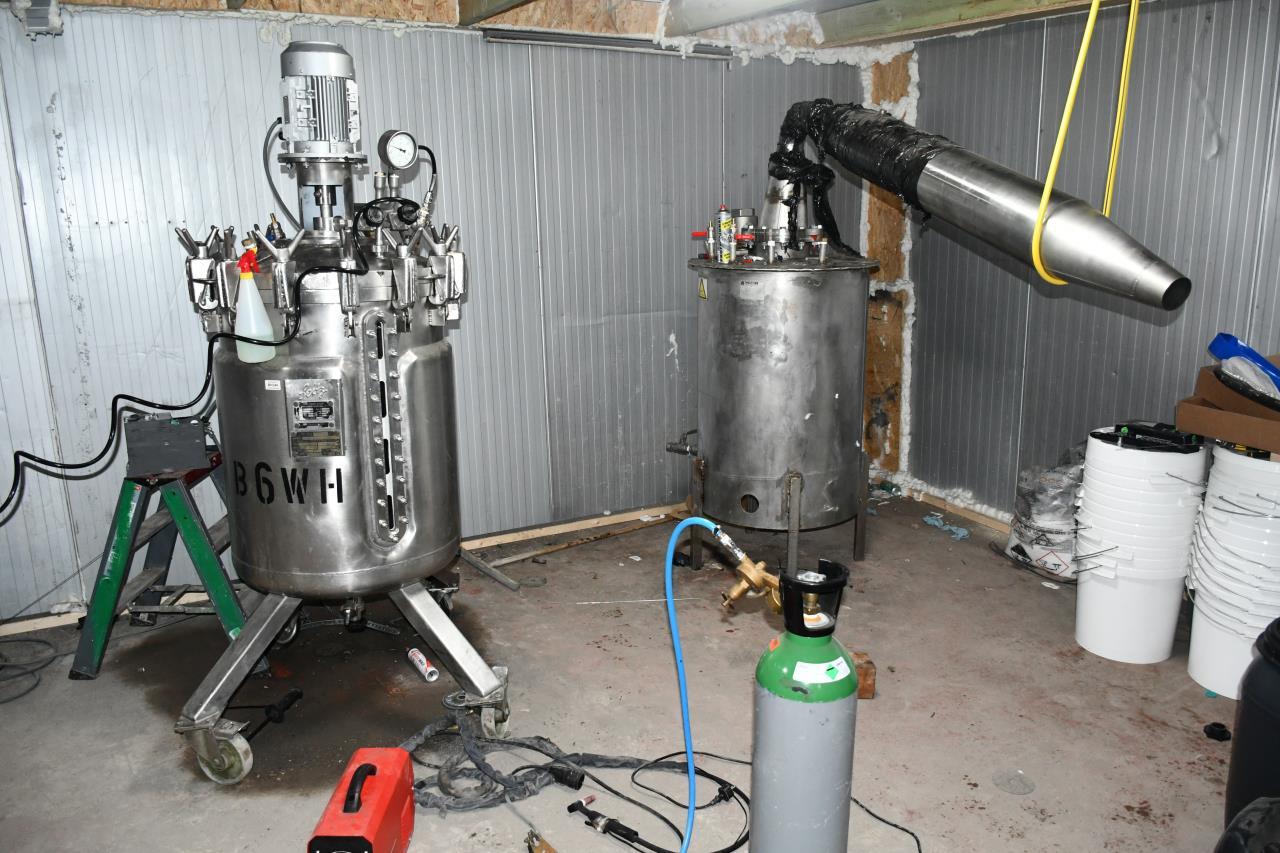
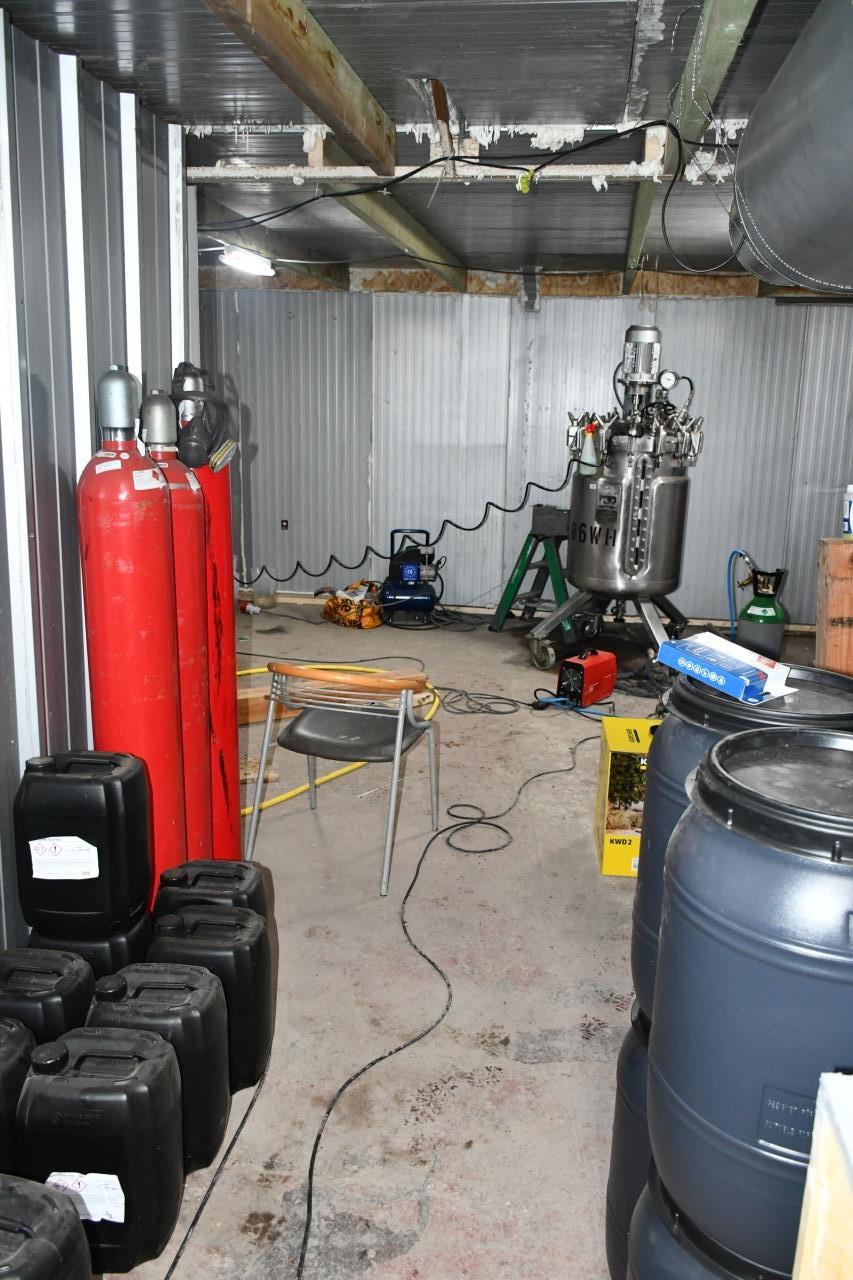
MDMA production takes place within Europe, both for domestic consumption and for export to non-EU markets. Europe remains an important global supply region for MDMA. Production is mainly concentrated in the Netherlands and Belgium, with Spain becoming increasingly prominent (Figure 5.1). Evidence from a number of sources indicates rising MDMA production in Europe, including increased seizures of tablets and powders, alongside historically low retail and wholesale prices and elevated MDMA content. In addition, illicit MDMA production sites of varying sizes and output capacities are dismantled annually, and the number more than doubled between 2023 and 2024. Reflecting new efforts to circumvent international controls on the MDMA precursor chemical PMK (piperonyl methyl ketone), over a third of the illicit laboratories were combination facilities, mostly based in the Netherlands, manufacturing both the PMK precursor and MDMA. This may partly explain the increase in European MDMA production, despite reductions in seizures of PMK and its glycidic derivatives. However, seizures of these substances remained at significant levels in 2024. Alongside MDMA production for domestic consumption in Europe, the drug is also trafficked to regions such as Oceania, Asia and Latin America. MDMA production in Europe has a significant environmental impact, potentially generating between 1 000 and 3 000 tonnes of chemical waste each year. Production sites are prone to accidents, explosions and fires, posing significant risks to surrounding communities.
MDMA product strength continues to pose health risks
MDMA tablets are typically available in many designs, often colourful replications of brand logos. While MDMA may sometimes appear in other forms, such as edibles, gelatines and lollipops, tablets and powders remain predominant. The MDMA content of retail-level ecstasy tablets is high by historical standards, having increased from around 84 milligrams per tablet in 2011 to 170 milligrams in 2019 and remained at elevated levels since. Ecstasy tablets containing 300 milligrams or more of MDMA remain available in Europe. The continued availability of high-strength products potentially increases the health risks related to MDMA use, as does polysubstance use, which remains common. Use of MDMA is rarely cited as a reason for entering drug treatment in Europe, but it is associated with acute poisonings and deaths. Some countries, including Germany, reported relatively small but increasing numbers of drug-induced deaths involving MDMA in 2024. Türkiye remains the only country reporting data to the EUDA with a high proportion of drug-induced deaths in which MDMA is mentioned in the toxicological analysis.
MDMA-related consumer awareness challenges remain
The use of MDMA remains an important issue for prevention and harm reduction messaging and interventions. As the MDMA content and purity of retail-level batches of pills and powder can vary, consumers are exposed to potentially shifting and unpredictable levels of risk. Measures typically undertaken in this area include risk communications about high-strength products and safer use guidelines, as well as providing drop-in services and, in some countries, drug checking services, where consumers can have the composition of their substances analysed. In Ireland in 2025, the Health Service Executive Safer Nightlife Programme issued two risk alerts informing about unusually strong MDMA tablets detected at two music festivals (Figure 5.2).
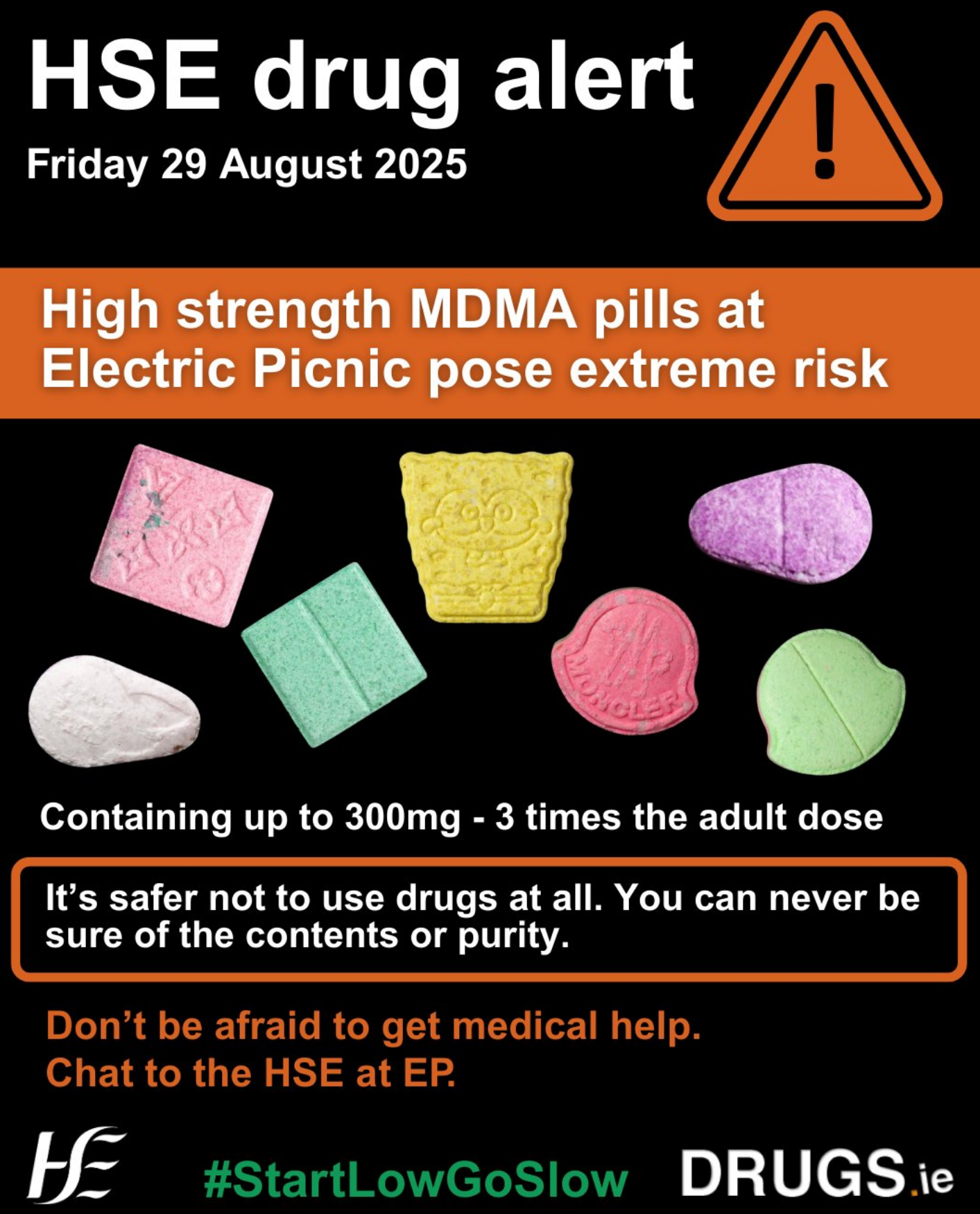
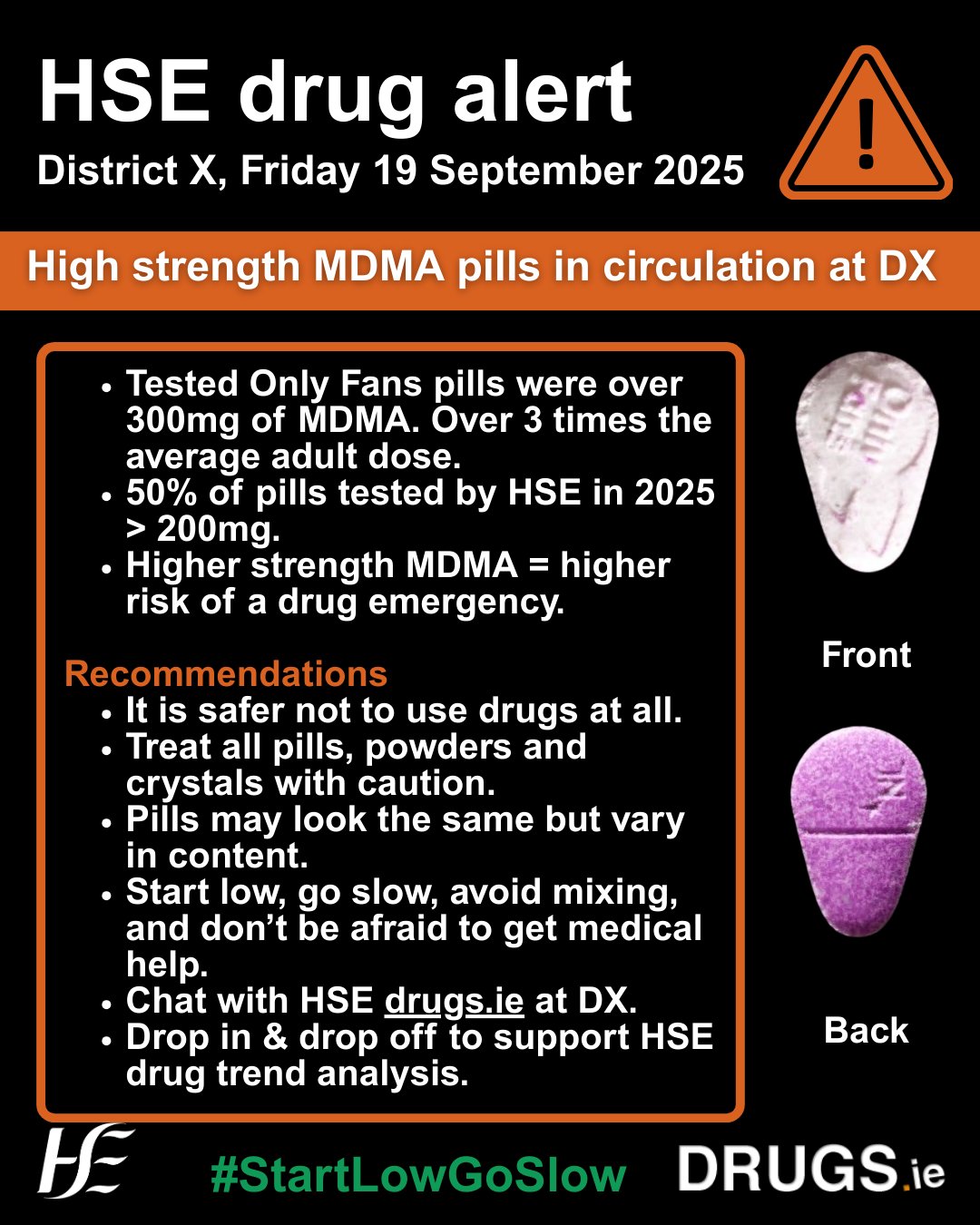
Note: Issued by the Health Service Executive Safer Nightlife Programme to warn about high-strength MDMA products.
Drug checking indicates low levels of adulteration but concerns about high MDMA content
While it is difficult to generalise due to limitations in national and European coverage, the available information from drug checking services suggests that MDMA products are generally less subject to adulteration than other illicit drugs that they screened in 2025. This does occur, however, as illustrated by the detection of other substances in MDMA tablets. The proportion of MDMA samples analysed by European drug checking services that were adulterated increased from 9% in 2024 to 15% in 2025, with cathinones, cocaine and ketamine being the most common other unexpected substances found. In 2024 and 2025, the majority of MDMA samples submitted to drug checking services continued to show high MDMA content (tablets) or high purity (powder), creating health risks for consumers (Figure 5.3, Figure 5.4).
See also EU Drug Markets: In-depth analysis and Stimulants: health and social responses.
Key data and trends
Prevalence and patterns of MDMA use
- Surveys conducted by 27 EU Member States between 2015 and 2024 suggest that 2.4 million young adults (aged 15 to 34) used MDMA in the last year (2.4% of this age group), with 2.1% (1.0 million) of those aged 15 to 24 years estimated to have used MDMA in the last year (for survey data, see Figure 5.5).
- Of the 14 European countries that undertook surveys since 2023, 1 reported a lower estimate than their previous comparable survey, 5 reported higher estimates and 8 reported stable estimates.
- In the 2024 ESPAD school survey, on average, 1.8% of the 15- to 16-year-old students reported having used MDMA at least once in their lifetime.
- Of the 78 cities in 22 EU Member States, Norway and Türkiye that have data on MDMA residues in municipal wastewater for 2024 and 2025, 18 (23%) reported an increase, 12 (15%) a stable situation and 48 (62%) a decrease (Figure 5.6).
- In the 2024 European Web Survey on Drugs, a non-representative survey of people who use drugs, one third of respondents reported using MDMA/ecstasy in the last 12 months. Only 10% indicated using it with no other substance on the last occasion: 70% used it with alcohol, 55% with tobacco and 27% with herbal cannabis.
Deaths and hospital presentations related to MDMA
- MDMA is reported in relatively small numbers of drug-induced deaths, and in most countries fewer than 1 in 15 cases involve the drug.
- In Germany, MDMA was mentioned in 6% (over 110) of the cases reported in 2024.
- In some countries with full toxicology data available, a significant proportion of the MDMA-related deaths involved only MDMA. In Türkiye, MDMA was the only drug detected in almost one quarter (23%) of such cases in 2024.
- MDMA was the eighth most frequently reported drug in Euro-DEN Plus hospitals in 2024. The drug was reported in 24 sentinel hospitals in 2024 and was involved in a median of 5.3% of presentations across the 29 hospitals in the European Union and Norway. The median age of those presenting with MDMA was 25 years; 68% were males.
- Most MDMA cases were associated with polysubstance use. Alcohol was co-ingested with MDMA in more than half (51%) of the cases with available information on alcohol ingestion. Cocaine, cannabis and amphetamine were the drugs most commonly reported in presentations involving MDMA.
MDMA market data
- In 2024, EU Member States reported 24 000 seizures of MDMA (17 000 in 2023), amounting to 4.2 tonnes of MDMA powder (3.6 tonnes in 2023) and 10.7 million MDMA tablets (7.2 million in 2023). Türkiye seized 5.1 million MDMA tablets in 2024 (5.2 million in 2023) (Figure 5.7).
- In 2024, 4 EU Member States reported dismantling 59 MDMA laboratories (36 in 2023): the Netherlands reported 47, Spain 7, Belgium 4 and Germany 1.
- Seizures of MDMA precursors totalled 23.9 tonnes in 2024 (63.1 tonnes in 2023), mainly in the form of PMK and its glycidic derivatives. At least 24 sites producing PMK from alternative chemicals were reported in 2024.
- In 2024, MDMA tablets seized in Europe contained on average between 148 and 232 milligrams of MDMA (138-158 milligrams in 2023), and the average purity of seized MDMA powders ranged from 47% to 100% (24-100% in 2023), with half the countries reporting values in the range 69-87% (67-88% in 2023) (Figure 5.7). The Netherlands, a key source country for the supply of MDMA to Europe, reported an average MDMA content of ecstasy tablets of 137 milligrams and 74% purity for MDMA powders.
- In 2025, a total of 5 857 samples sold as MDMA were tested for psychoactive adulterants by 14 drug checking services in 8 EU Member States. MDMA was the sole psychoactive substance in 85% of the samples, while the remaining 15% contained at least one other psychoactive substance. In the 11 drug checking services in 7 countries that reported in 2024 and 2025, synthetic cathinones were the most frequently detected of these, representing almost 4% of samples sold as MDMA (Figure 5.8) (less than 2% in 2024). Cocaine was found in 2% of MDMA samples tested in 2025, while ketamine was found in 1%.
Source data
The data used to generate infographics and charts on this page may be found below.
The complete set of source data for the European Drug Report 2026, including metadata and methodological notes, is available in our data catalogue.
A subset of this data, used to generate infographics, charts and similar elements on this page, may be found below.
Prevalence of drug use data tables including general population surveys and wastewater analysis (all substances)
Data tables specific to MDMA