


Synthetic stimulants – the current situation in Europe (European Drug Report 2026)
Amphetamine, methamphetamine and, more recently, synthetic cathinones are all synthetic central nervous system stimulants available on Europe’s drug market. Here, you can find the latest analysis regarding synthetic stimulants in Europe, including prevalence, treatment, seizures, price and purity, harms and more.
This page is part of the European Drug Report 2026, the EUDA’s annual overview of the drug situation in Europe.
Last update: 9 June 2026
Resilient supply of stimulants creating health and monitoring challenges
Amphetamine, methamphetamine and synthetic cathinones are all synthetic central nervous system stimulants available on Europe’s illicit drug market. Historically, amphetamine use has been the most common, with methamphetamine and synthetic cathinones less widely available and used. However, recent market signals suggest increasing use and diffusion of methamphetamine, and in particular, synthetic cathinones in Europe. Synthetic drug production in Europe is dynamic, influencing and responding to shifts in consumer preferences for specific stimulants, while also driving market expansion by introducing new substances at retail level. Consumers may view different stimulants as functionally similar and be willing to try new products. People may also consume new replacement substances without their knowledge. Therefore, the more widespread availability and use of synthetic stimulants raises concerns about increased health and social problems. Emerging stimulants such as synthetic cathinones also pose monitoring challenges, as some existing tools are better suited to identifying and tracking changes related to established illicit synthetic stimulant drugs such as amphetamine. Multilevel monitoring systems incorporating more sensitive tools, such as improved forensic and toxicological analysis, the EU Early Warning System and other leading-edge indicators, are necessary for understanding market changes earlier.
Harm reduction and treatment must respond to an evolving stimulants market
Although amphetamine, methamphetamine and synthetic cathinones share a similar chemical structure, their psychoactive effects and health risks vary significantly. For example, some synthetic cathinones, such as 4-CMC, have effects and potential harms similar to MDMA and amphetamine, while others, such as alpha-PVP (α-pyrrolidinovalerophenone), may elicit stronger effects and harms. The effects of many synthetic cathinones on humans have not been extensively researched. Polysubstance use also increases health risks. For all stimulant drugs, health risks include overdoses, cardiovascular complications, acute and chronic mental health problems and, depending on the mode of administration, the spread of infectious diseases. The combination of high-risk drug taking and risky sexual behaviours, known as sexualised drug use, has been documented in some populations. Methamphetamine smoking is reported by drug consumption rooms around Europe, raising additional health concerns. In the last decade, seven European cities, across six countries, have reported localised HIV outbreaks associated with stimulant injecting, which tends to be more frequent than opioid injecting, mainly among marginalised people who inject drugs (see Drug-related infectious diseases – the current situation in Europe). Syringe residue analysis conducted by the ESCAPE network in 2024 confirms the presence of various stimulants in many European injecting drug scenes. The Euro-DEN Plus network of sentinel hospitals across Europe continued to report synthetic stimulants in acute drug toxicity presentations to emergency departments in 2024. With the potential for rapid shifts in the availability of substances, limited knowledge of health risks and the lack of an established pharmacological therapy for dependence, the increased availability of synthetic stimulants poses an evolving challenge for response models.
Risk of wider methamphetamine use from production and trafficking
Although amphetamine is more widely used in Europe, signals indicate the spread of methamphetamine consumption to an increasing number of countries. These drugs can be manufactured from benzyl methyl ketone (BMK), and seizures of BMK and chemicals from which it can be synthesised remain significant in Europe. Seizures of tartaric acid, used in the production of ‘crystal meth’ to retrieve potent d-methamphetamine from mixtures produced by BMK methods, remained high in Europe in 2024. While the available data make it hard to comment with certainty on the actual output of dismantled methamphetamine laboratories, law enforcement information indicates that large-scale production continues, mostly in the Netherlands, but also in Germany and Poland. Small ‘kitchen-scale’ sites producing methamphetamine using ephedrine methods are dismantled in Czechia and Bulgaria. However, the detection of medium- and larger-scale production facilities using ephedrine or BMK-based synthesis in Czechia and some other countries signals a change in methods and the possible expansion of production into more EU Member States. While amphetamine production remains concentrated in the Netherlands, Germany and Poland, sites in other EU Member States are involved in preparing the drug for retail markets by converting amphetamine base oil into the sulfate salt.
Amphetamine and methamphetamine are trafficked in various ways (Figure 4.1), and increased quantities of both drugs were seized in the European Union in 2024. Reported large seizures of methamphetamine, often of Mexican origin, indicate transhipment through Europe to other destinations. Overall, evidence of increased production and trafficking of amphetamines in Europe, for domestic demand or export, suggests the potential for increased availability and use. Furthermore, uncertainty remains about the effects of events in Afghanistan on the EU heroin market and any potential shift to stimulants as replacement substances.
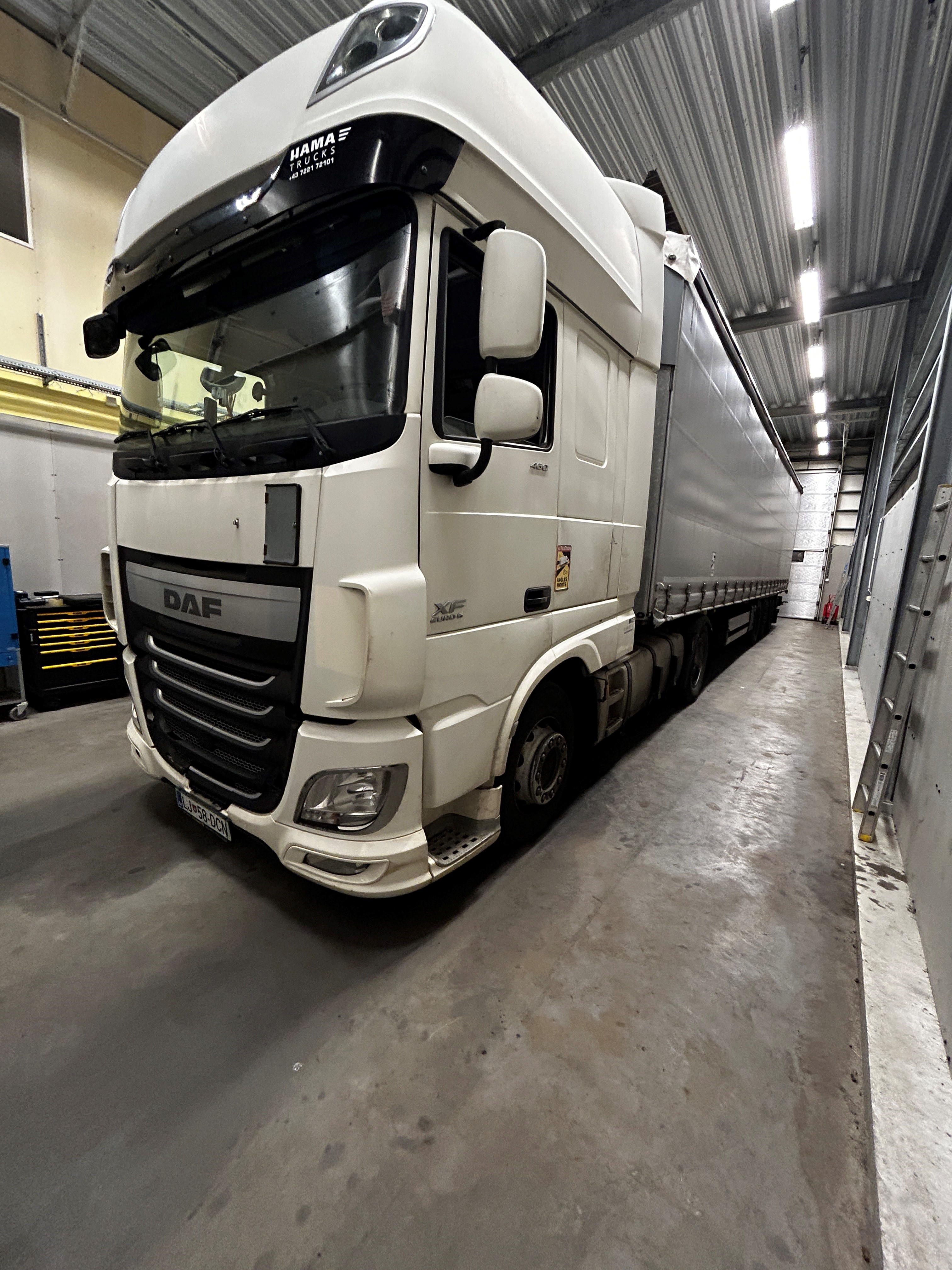
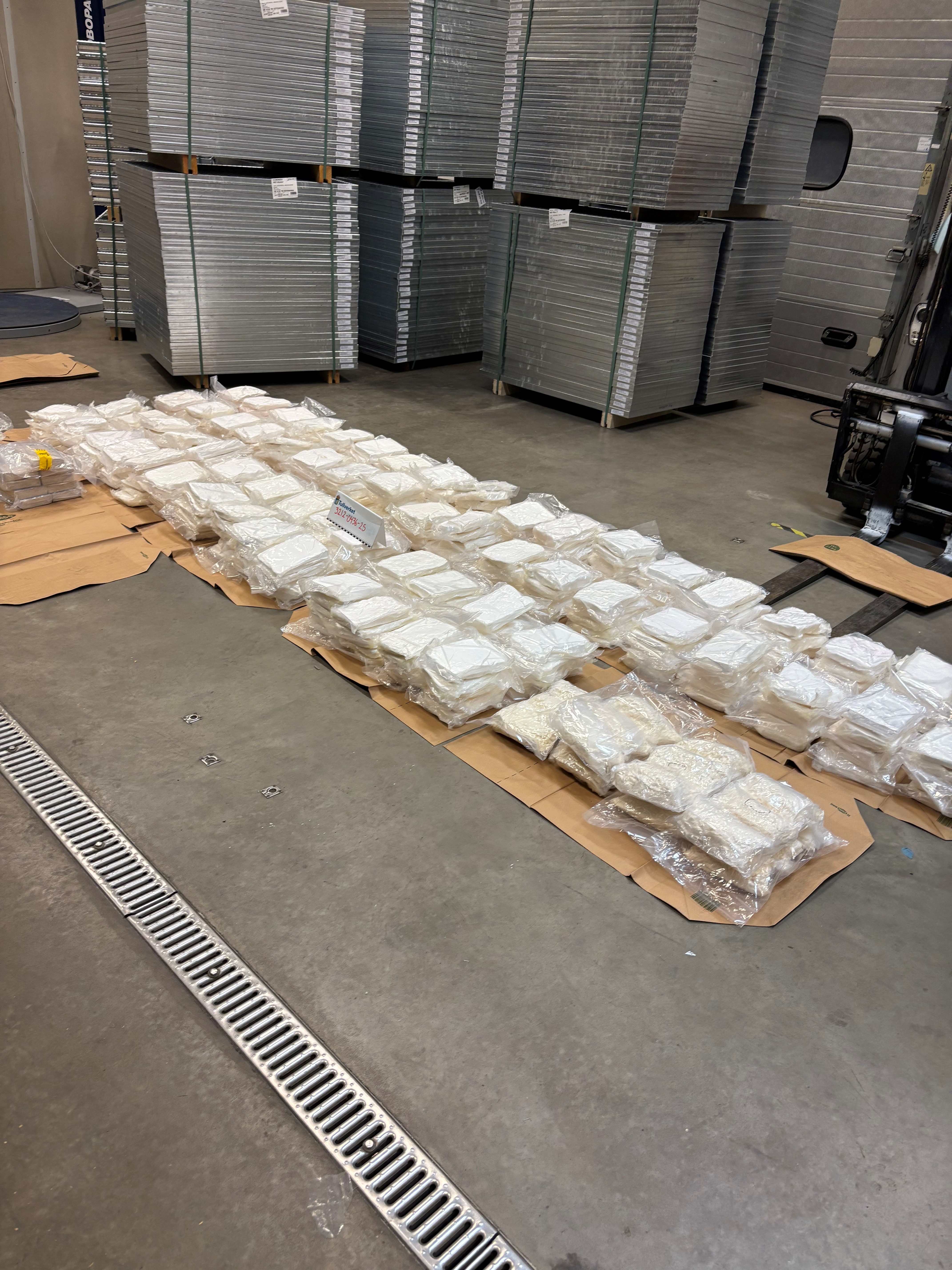
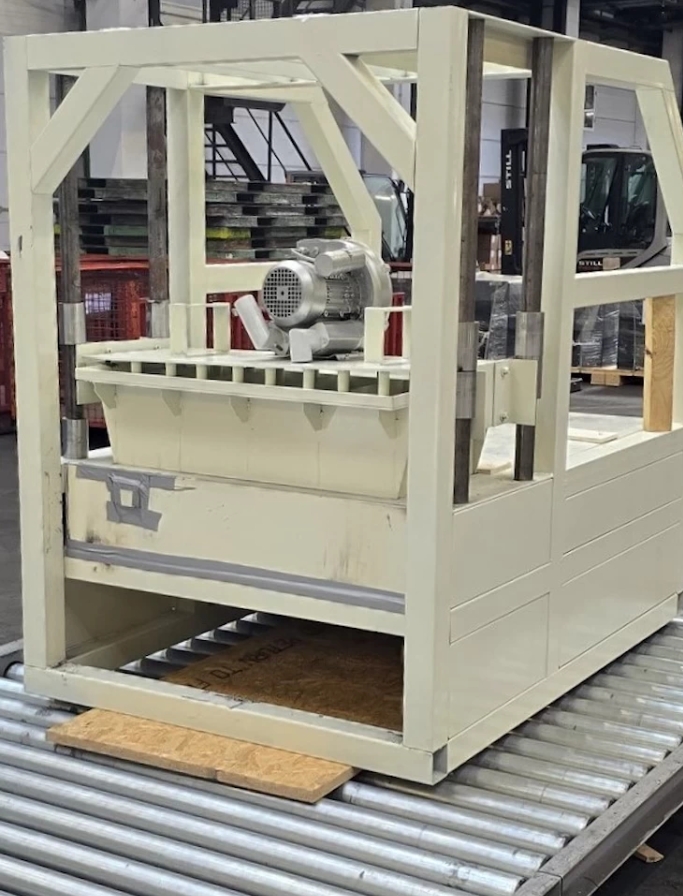
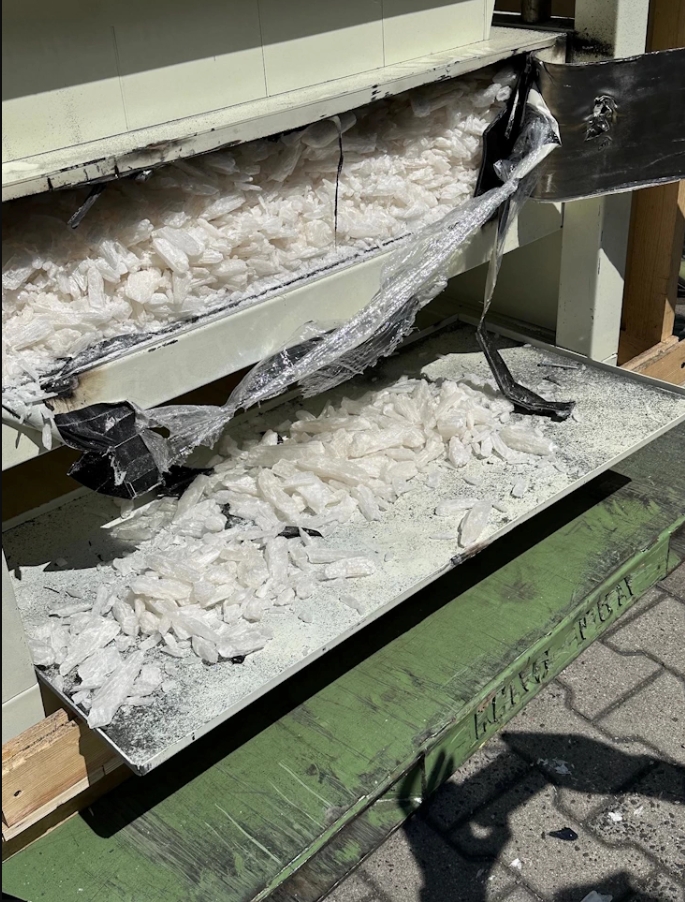
Note: Seizures by Swedish Customs Authority Office and Customs Investigation Office Frankfurt am Main, Germany.
Imports and dynamic production are embedding synthetic cathinones in Europe’s drug market
In some parts of Europe, synthetic cathinones have established themselves on the illicit drug market as affordable alternatives to other synthetic stimulants and are now increasingly available. In 2025, the EU Early Warning System received notifications of four new synthetic cathinones not previously detected in the European Union, bringing the number identified to date to 181. At the same time, 69 previously reported synthetic cathinones were detected on the EU drug market, highlighting the challenges faced by monitoring systems. Imports and seizures of these substances in 2024 amounted to almost three times the combined quantity of amphetamine and methamphetamine seized. A small number of large imports from India, primarily through the Netherlands, accounted for most of the quantity of cathinones reported. Significant levels of synthetic cathinone production also occur in Europe, where large-scale laboratories have been dismantled and large quantities of precursor chemicals seized. Although production is mostly concentrated in Poland (Figure 4.2), facilities are dismantled in several other countries, likely reflecting diffusion and tactical evasion of legislative changes. European synthetic cathinone production is characterised by adaptable facilities, both in terms of location and the substances manufactured, and large-scale output. The same laboratory can manufacture different synthetic cathinones by adjusting precursor chemicals or synthesis steps, enabling drug producers to respond rapidly to market demand, precursor availability or legal controls. While some cathinone production is destined for EU markets, evidence suggests that some large-scale operations are aimed at export and domestic supply, as illustrated by the dismantling of a high-capacity clephedrone laboratory in Latvia in 2024 (Figure 4.3).
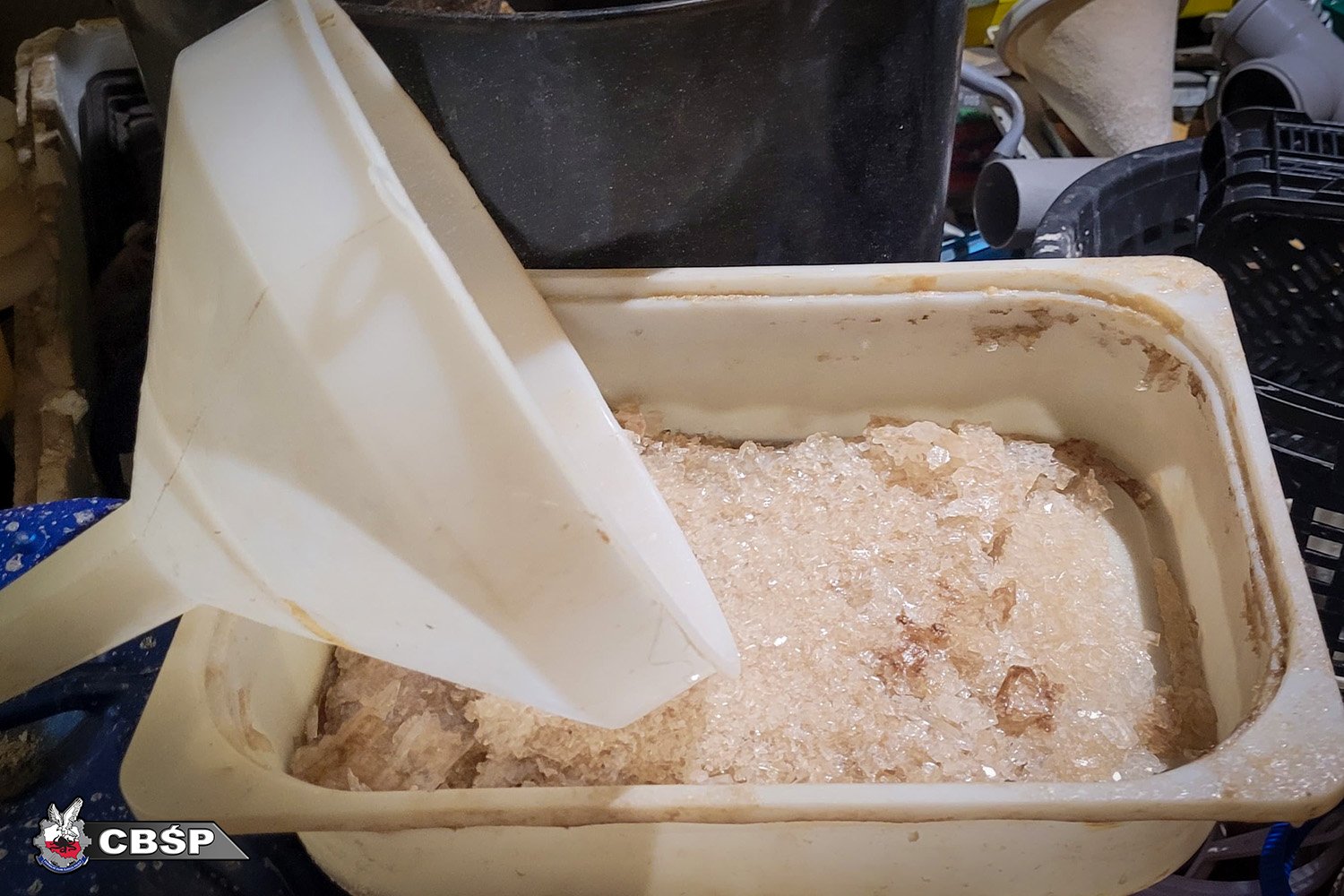
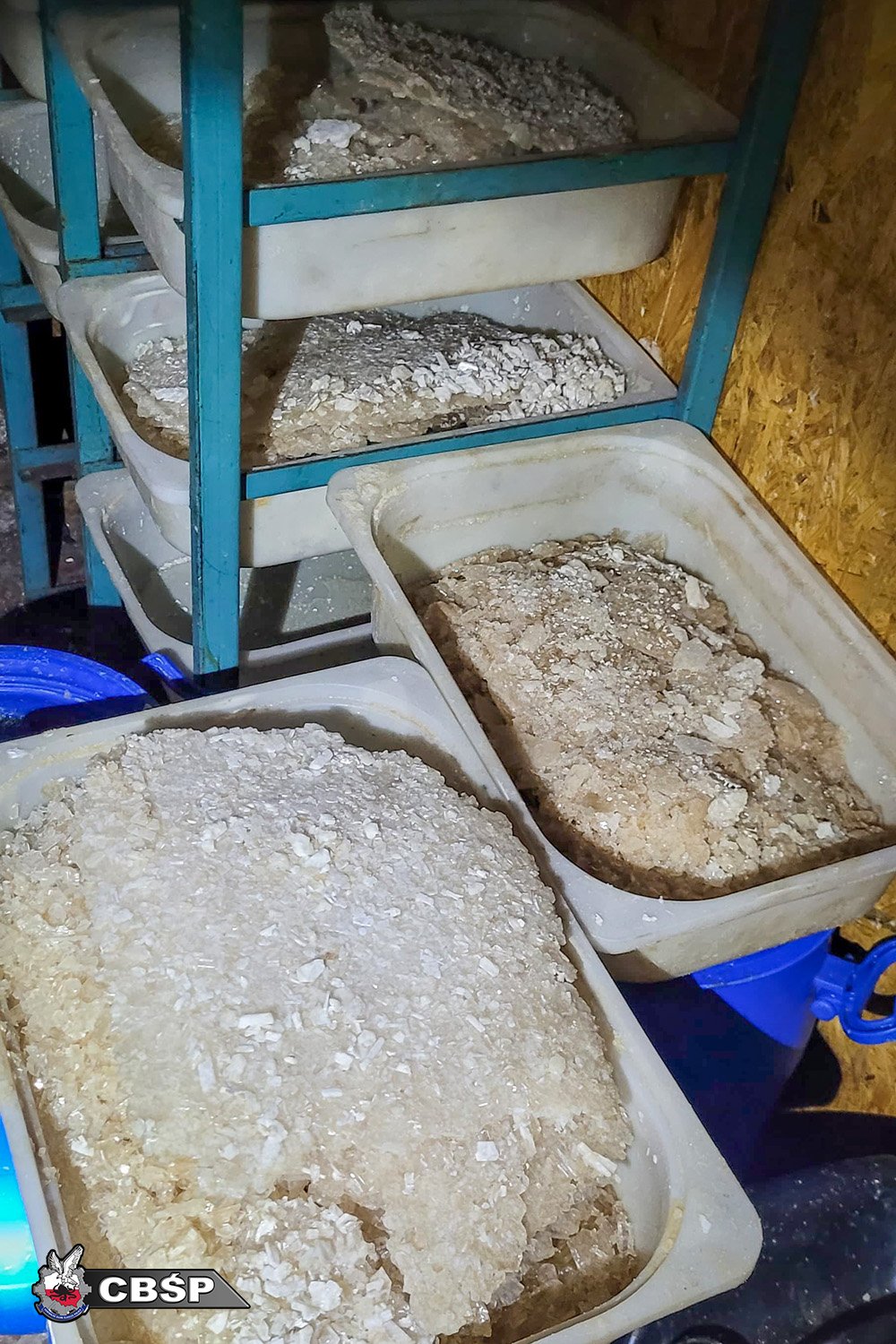
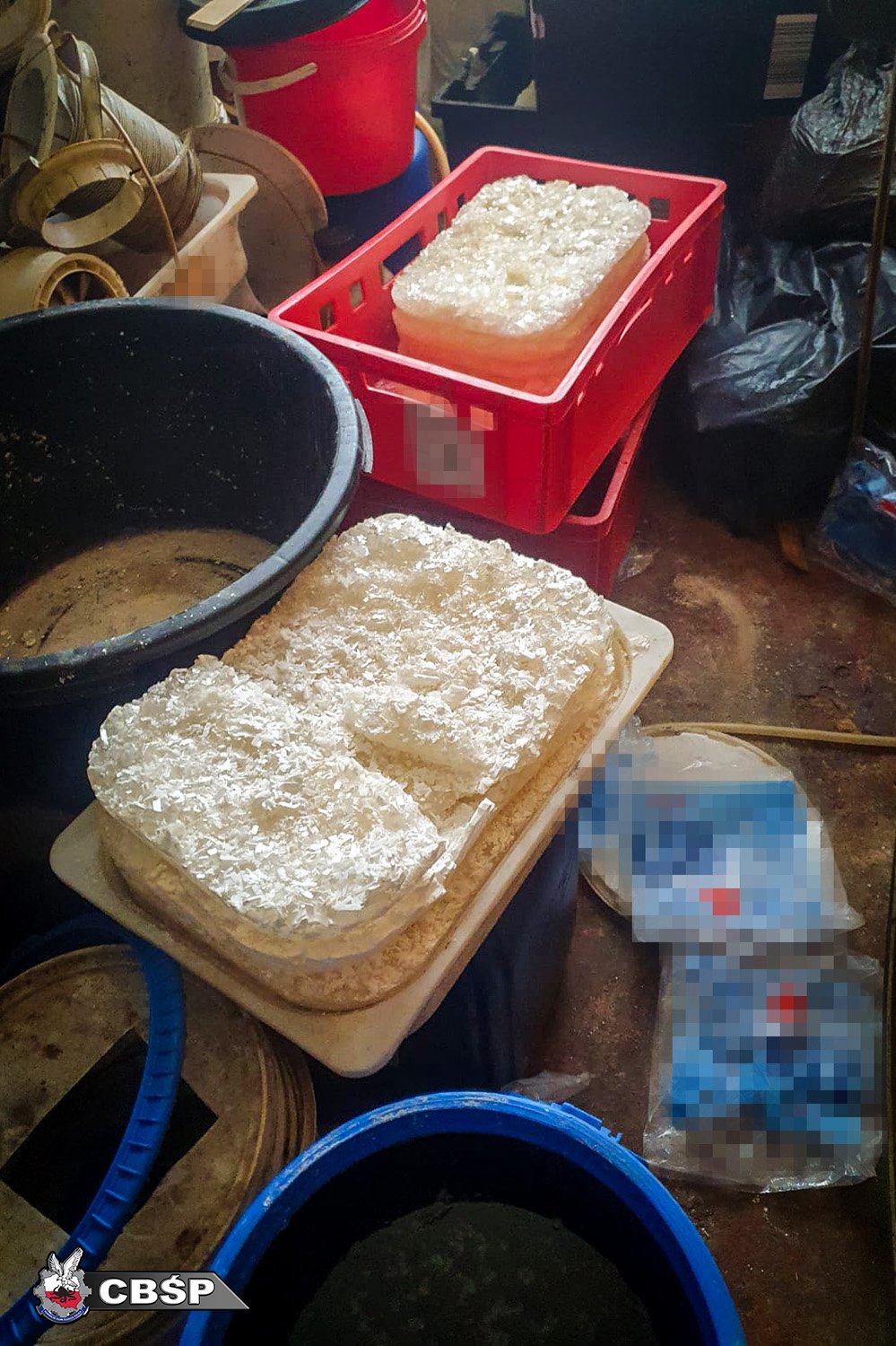
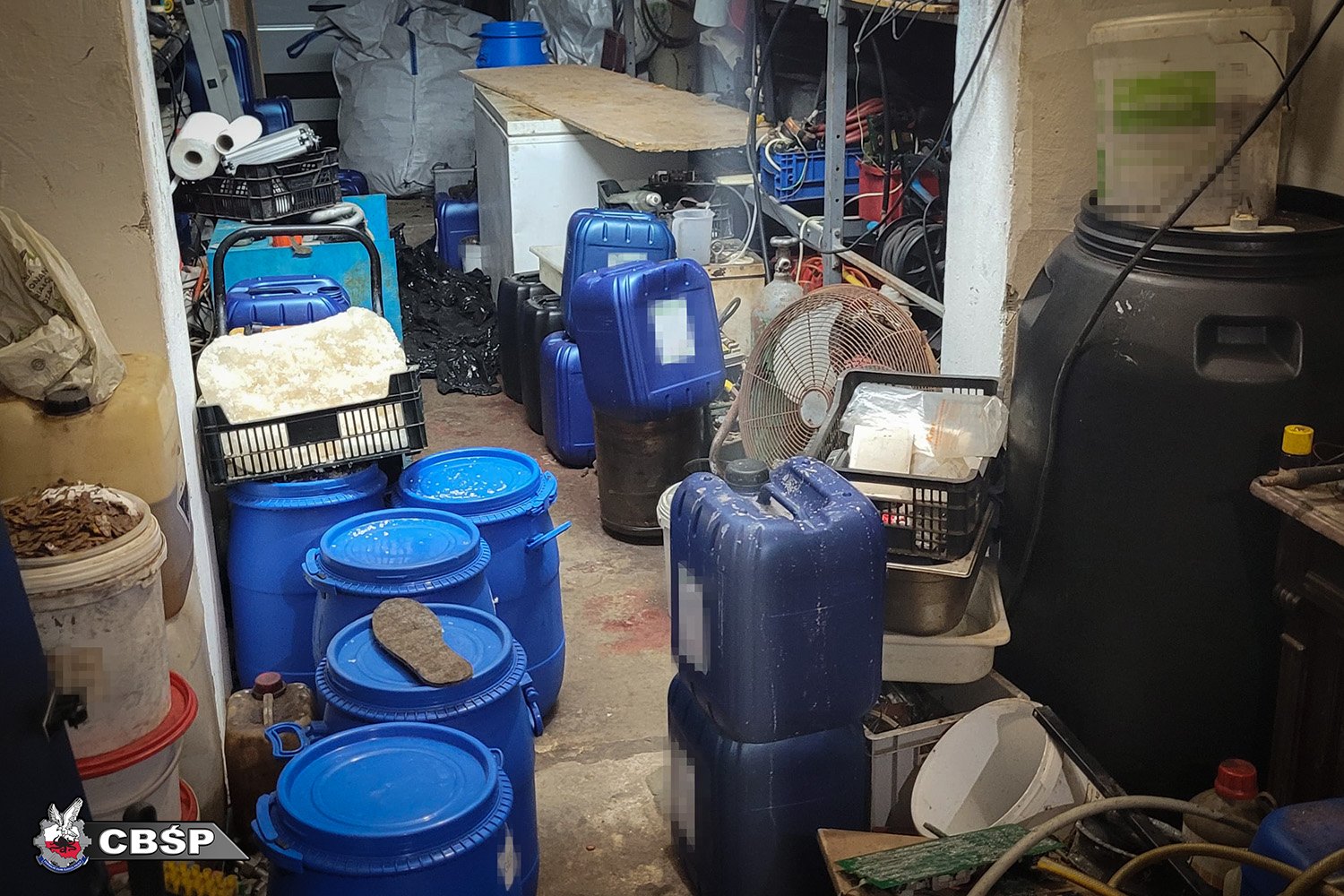
Note: Seizure by the Central Bureau of Police Investigation.
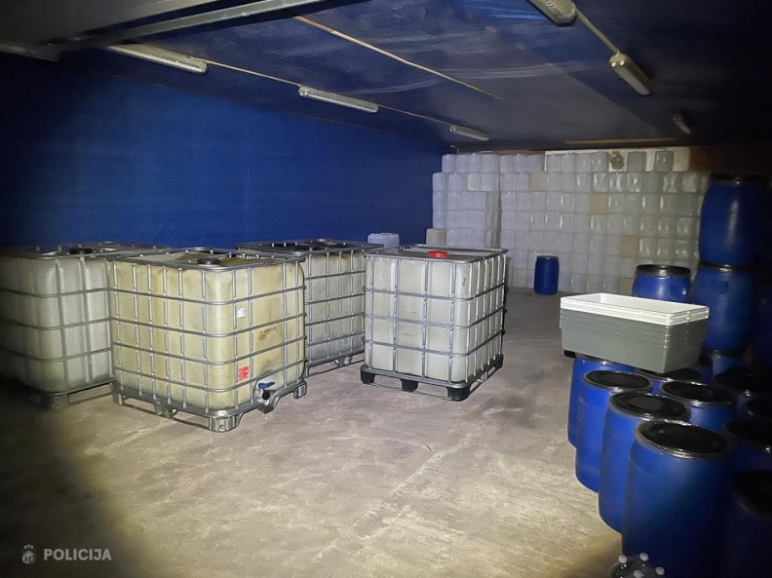
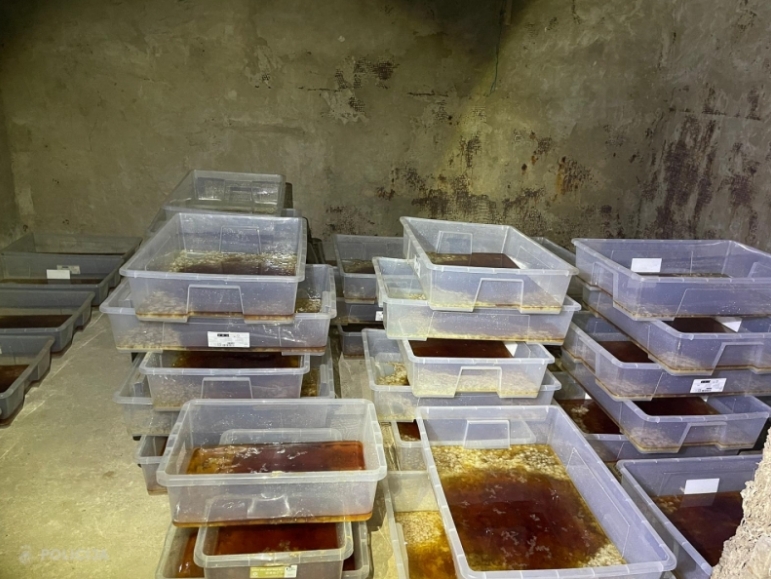
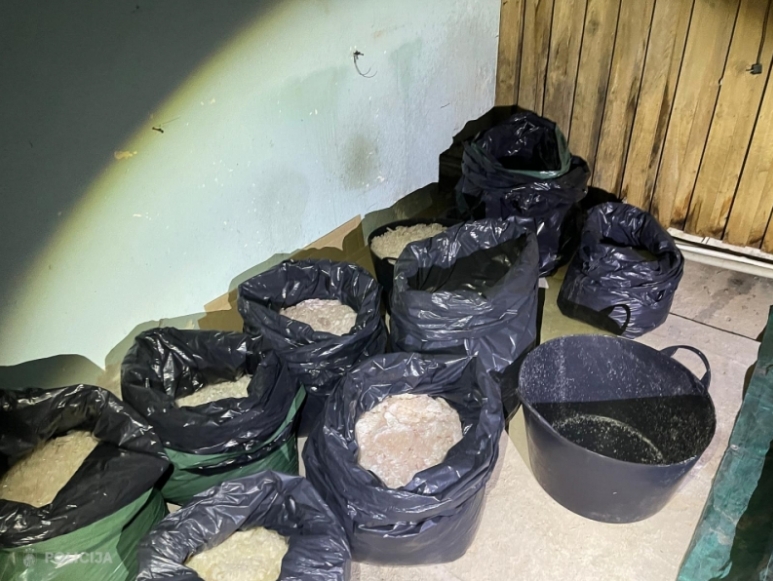
Note: Seizure by the State Police of Latvia.
Data from drug checking services support the view that synthetic cathinones are sought intentionally, at least by some people, although the exact cathinone found in the sample often differs from the one believed to have been purchased. This reflects the dynamic nature of cathinone production and creates shifting health risks.
Relatively few people enter specialised treatment for problems related to the use of synthetic cathinones in EU Member States. However, the number has increased five-fold between 2018 and 2024, to approximately 2 700. Among these, 17% report injecting as the main route of administration, and 17% report daily use before entering treatment.
Synthetic stimulants are a growing challenge for responses
As consuming illicit stimulants can lead to a range of health problems, these substances continue to represent a challenge for monitoring, policymakers and service providers in Europe. Given the higher frequency of injecting typically associated with stimulant use and the potentially severe health complications from injecting and smoking methamphetamine, any increase in consumption of this substance, especially among vulnerable groups, could challenge harm reduction and emergency health services. Increased cathinone consumption highlights the importance of forensic and toxicological analysis for understanding consumption trends and the scale and nature of any associated adverse health outcomes.
Key data and trends
Prevalence and patterns of synthetic stimulant use
- Surveys conducted in 26 EU Member States between 2018 and 2024 suggest that 1.4 million young adults (aged 15 to 34) used amphetamines during the last year (1.4% of this age group). Of the 11 European countries that have conducted surveys since 2023, 2 reported lower estimates than their previous comparable survey, 5 reported higher estimates, and 4 reported a stable trend (Figure 4.4 for the most recent survey data). National estimates of last year use of cathinones among young adults (aged 15 to 34) range from 0.1% in Romania to 4.4% in the Netherlands.
- In the 2024 ESPAD school survey, on average, 1.8% of the 15- to 16-year-old students reported having used amphetamine at least once in their lifetime, and 1.4% reported having used methamphetamine.
- Among the few countries that report estimates of high-risk use of methamphetamine in 2024, prevalence estimates vary, ranging from 0.42 per 1 000 population (corresponding to 250 high-risk users) in Cyprus to 5.51 per 1 000 (38 200 high-risk users) in Czechia, with 4.4 per 1 000 (15 725 high-risk users) in Slovakia.
- In the 2024 European Web Survey on Drugs, a non-representative survey of people who use drugs, 17% of respondents living in the European Union or Norway reported having used amphetamine, while 9% had used synthetic cathinones and 5% had used methamphetamine. Polysubstance use was common among those using amphetamine (91%) and methamphetamine (87%).
- Of the 82 cities in 23 EU Member States, Norway and Türkiye with data on amphetamine residues in municipal wastewater for 2024 and 2025, 36 (44%) reported an increase, 19 (23%) a stable situation and 27 (33%) a decrease (Figure 4.5).
- Of the 80 cities in 24 EU Member States, Norway and Türkiye with data on methamphetamine residues in municipal wastewater for 2024 and 2025, 37 (46%) reported an increase, 15 (19%) a stable situation and 28 (35%) a decrease (Figure 4.6).
Treatment entry for use of synthetic stimulants
- About 8 900 clients are estimated to have entered specialised drug treatment in Europe in 2024 reporting amphetamine as their primary drug, approximately half of them (4 300) being first-time clients (Figure 4.7).
- In 2024 or the most recent year available, amphetamine clients accounted for at least 10% of first-time treatment entrants in Bulgaria, Estonia, Croatia, Latvia, Hungary, Poland, Finland and Sweden.
- Treatment entrants citing methamphetamine as their main problem drug are concentrated in Czechia, Germany, Slovakia and Türkiye, which together accounted for 92% of the estimated 14 500 methamphetamine clients entering treatment in 2024. Methamphetamine accounts for more than 30% of first-time entrants in Czechia, Slovakia and Türkiye (Figure 4.8).
- Data from countries that report treatment entrants for synthetic cathinones show an increase from 536 clients in 2018 to 2 671 clients in 2024, 95% of whom are accounted for by France, the Netherlands, Spain, Poland, Hungary, Belgium and Romania (Figure 4.9).
- Drug consumption rooms in 15 cities across 12 EU Member States and Norway provide data to the EUDA. At least one consumption episode of amphetamine or methamphetamine was reported by drug consumption rooms in 9 cities across 8 EU Member States in 2025. Drug consumption rooms located in 3 cities across 3 Member States reported at least a two-fold increase in the use of amphetamine and methamphetamine between 2024 and 2025.
Injecting use of synthetic stimulants
- Injecting is reported as a common route of administration by those entering treatment with amphetamine as their primary drug in several countries, including Finland (75%), Estonia (60%) and Sweden (56%).
- About 5% of amphetamine clients entering drug treatment in Europe in 2024, or the most recent year available, reported injecting as the main route of administration.
- Analysis of 3 256 used syringes by the ESCAPE network of 21 cities in 14 EU Member States and Norway in 2024 found that half of the syringes contained residues of two or more drug categories. The most frequent combination was an opioid and a stimulant.
- In the ESCAPE data, synthetic cathinones were commonly detected in Paris (71%), Budapest (58%), Madrid (30%), Riga (30%) and Helsinki (23%). Twenty-seven different synthetic cathinones were detected in the 2024 campaign.
- Amphetamine was commonly detected in Tallinn (69%), Oslo (69%), Riga (52%), Budapest (28%) and Helsinki (21%).
- Methamphetamine detection was highest in Brno (72%), Prague (68%), Riga (38%), Amsterdam (37%), Tallinn (28%) and Paris (25%).
Harms related to use of synthetic stimulants
- In acute toxicity presentations to the Euro-DEN Plus network of sentinel hospitals, amphetamine was the third most common substance overall in 2024, reported by 25 hospitals located in 18 EU Member States and Norway. It was present in 14% (765) of the acute drug-toxicity presentations.
- Methamphetamine was reported by 22 Euro-DEN Plus hospitals in 2024 and was present in 4% (200) of the acute drug-toxicity presentations (2.4% in 2023).
- In 2024, cathinones were reported by 19 Euro-DEN Plus hospitals located in 13 EU Member States and Norway. Cathinones were present in 2.1% of acute drug toxicity presentations.
- The 18 EU Member States with relevant post-mortem data available for 2024 reported around 1 000 drug-induced deaths where synthetic stimulants, including MDMA, were involved (897 in 2023 in the same countries).
Synthetic stimulants market data
- In 2024, EU Member States reported 34 000 seizures of amphetamine, amounting to 11.4 tonnes (10.2 tonnes in 2023; Figure 4.10). Türkiye seized 4.2 tonnes (3.5 tonnes in 2023), including 15.9 million tablets described as ‘captagon’ (14 million in 2023). Between 2014 and 2024, the average purity of amphetamine at retail level has slightly decreased (by 8%), while the average price has decreased (by 25%).
- EU Member States reported 14 100 seizures of methamphetamine amounting to 6.1 tonnes in 2024 (1.8 tonnes in 2023) (Figure 4.11). Türkiye reported 60 300 seizures of methamphetamine in 2024, amounting to 25.9 tonnes and 7 904 litres (11.5 tonnes and 10 415 litres in 2023). Between 2014 and 2024, the average purity of methamphetamine has increased by 21%, although this is below the 36% increase reported in 2020.
- The total quantity of synthetic cathinones reported to the EU Early Warning System as seized or imported by EU Member States in 2024, in all forms, amounted to 48.5 tonnes (37 tonnes in 2023, 27 tonnes in 2022). The main substances were 2-MMC, NEP, 4-CMC and MDPHP, amounting to 44 tonnes.
- In 2024, nine EU Member States reported dismantling 110 amphetamine laboratories. Also, one site related to amphetamine production was dismantled in Norway. Ten EU Member States reported dismantling 252 methamphetamine laboratories (251 in 2023). Türkiye reported five production/conversion sites.
- Seizures of the precursors required to synthesise methamphetamine via the ‘ephedrine method’ (ephedrine and pseudoephedrine) amounted to 6.4 tonnes (7.8 tonnes in 2023). Seizures of BMK, a precursor for amphetamine and methamphetamine, reached 3 732 litres (5 453 litres in 2023). In addition, 21.6 tonnes of substances (66.2 tonnes in 2023) that can be used to produce BMK were seized in 2024. In 2024, the Netherlands reported dismantling 27 precursor production laboratories where BMK was made.
- Seizures of tartaric acid, used in the production of ‘crystal meth’, reached 7.5 tonnes in 2024 (10.9 tonnes in 2023).
- EU Member States reported dismantling 63 synthetic cathinone production sites, some of which were large-scale, in 2024 (54 in 2023).
- Seizures of chemicals used to manufacture synthetic cathinones amounted to 2.6 tonnes in 2024 (2.1 tonnes in 2023). Most of these substances are unscheduled.
- In 2025, data from 12 drug checking services in 8 EU Member States, the majority of samples found to contain synthetic cathinones were submitted as such (76%, 1 534); 16% (323) were submitted as another drug (mostly MDMA), while for 8% (154) the expected substance was not declared. Samples sold as 3-MMC often contained 2-MMC instead.
See also EU Drug Markets: In-depth analysis and Stimulants: health and social responses.
Source data
The data used to generate infographics and charts on this page may be found below.
The complete set of source data for the European Drug Report 2026, including metadata and methodological notes, is available in our data catalogue.
A subset of this data, used to generate infographics, charts and similar elements on this page, may be found below.
Prevalence of drug use data tables including general population surveys and wastewater analysis (all substances)
Other data tables including tables specific to synthetic stimulants