


2025: a year of acceleration
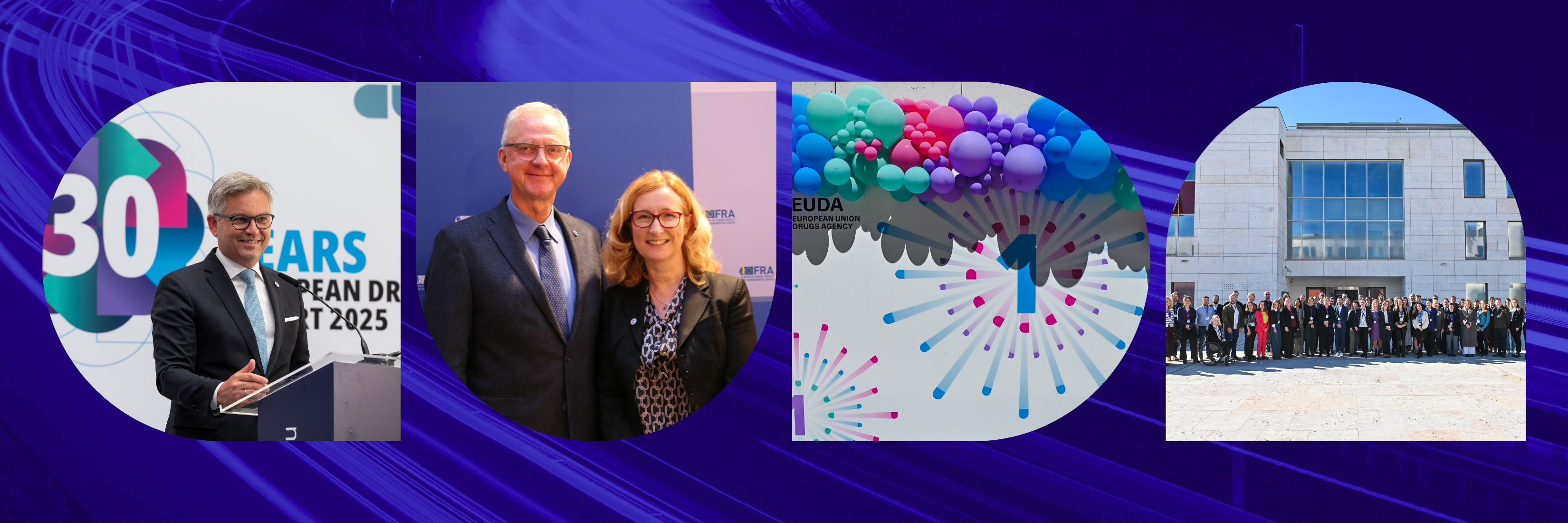

‘I am proud to share the highlights of 2025, the first full year in which the EUDA operated under its expanded mandate.
Throughout the year, the agency continued to strengthen Europe’s preparedness on drugs by developing new services, deepening our partnerships and delivering timely evidence, analysis and support to policymakers and professionals.’
Lorraine Nolan, EUDA Executive Director
Providing trusted evidence
As the EUDA, we provide trusted, independent evidence to support partners addressing drug‑related challenges across Europe.
In 2025 we published 35 scientific and institutional publications and authored or co‑authored 24 scientific articles and book chapters, reflecting the central role of publications across our work.
We released the 30th edition of our annual overview of the drug situation in Europe, the European Drug Report 2025, presenting the latest analysis across 29 countries. The report is supported by interactive online content and data visualisations, allowing users to explore key trends and developments in detail.
This analysis is underpinned by the Statistical Bulletin, which provides the most recent national and, where relevant, city‑level datasets used in the report. It offers extensive data on drug use patterns, harms and responses, supporting informed policy and practice.

‘Good policies come from good evidence – this is a core part of our thinking as the European Commission. Practically, it means we depend on the expertise and analysis of our agencies to form that evidence base. For 30 years, the European Drug Report has provided us with critical evidence to help shape the EU's policies on illegal drugs and our response to the trafficking networks responsible for supply. This evidence base has helped us to evolve our responses to meet the challenges of an ever-more connected EU, and an ever-more connected world.’
Magnus Brunner, European Commissioner for Internal Affairs and Migration, EDR 2025 launch on 5 June in Lisbon
This year also marked 30 years of monitoring adolescent risk behaviours across Europe, highlighted by the publication of the eighth round of the European School Survey Project on Alcohol and Other Drugs (ESPAD). Conducted in 2024, the survey involved almost 114 000 students aged 15 to 16, across 37 European countries.
Empowering professionals
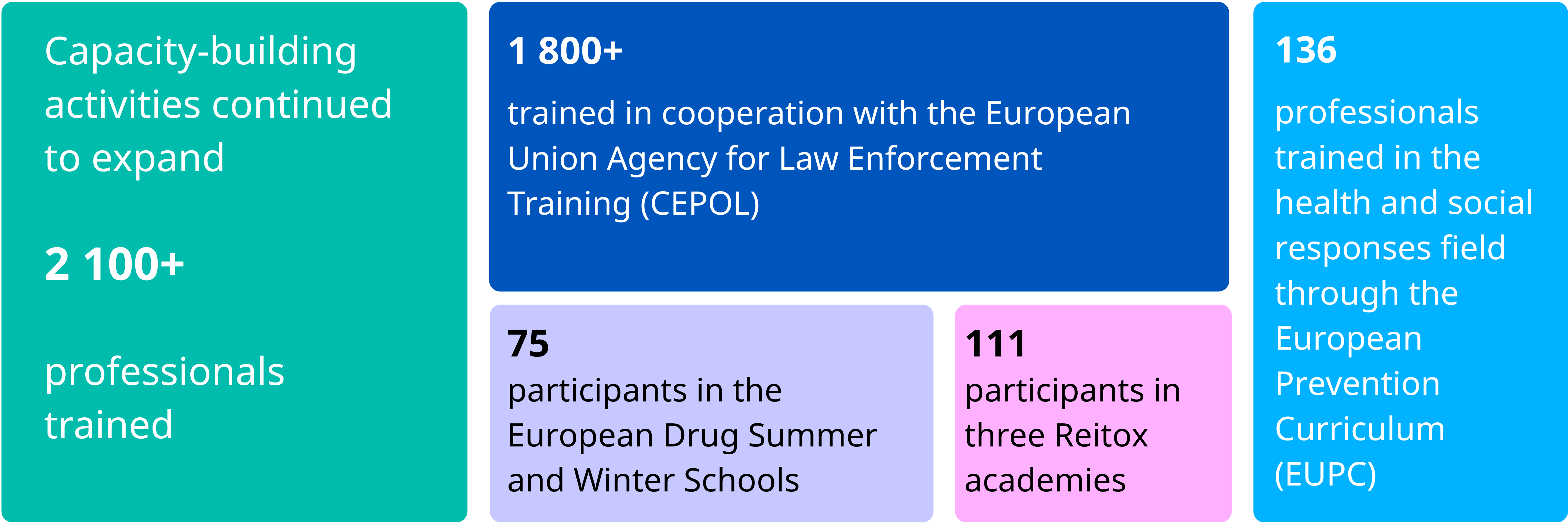
Capacity-building activities continued to gain momentum, as shown below:
Show a text version of the above graphic
Cpacity building activities:
- Capacity-building activities continued to expand. More than 2 100 professionals trained.
- More than 1 800 trained in cooperation with the European Union Agency for Law Enforcement Training (CEPOL).
- 75 participants in the European Drug Summer and Winter Schools.
- 111 participants in three Reitox academies.
- 136 professionals trained in the health and social responses field through the European Prevention Curriculum (EUPC).
Additionally, we reached around 1 200 participants through EUDA webinars.
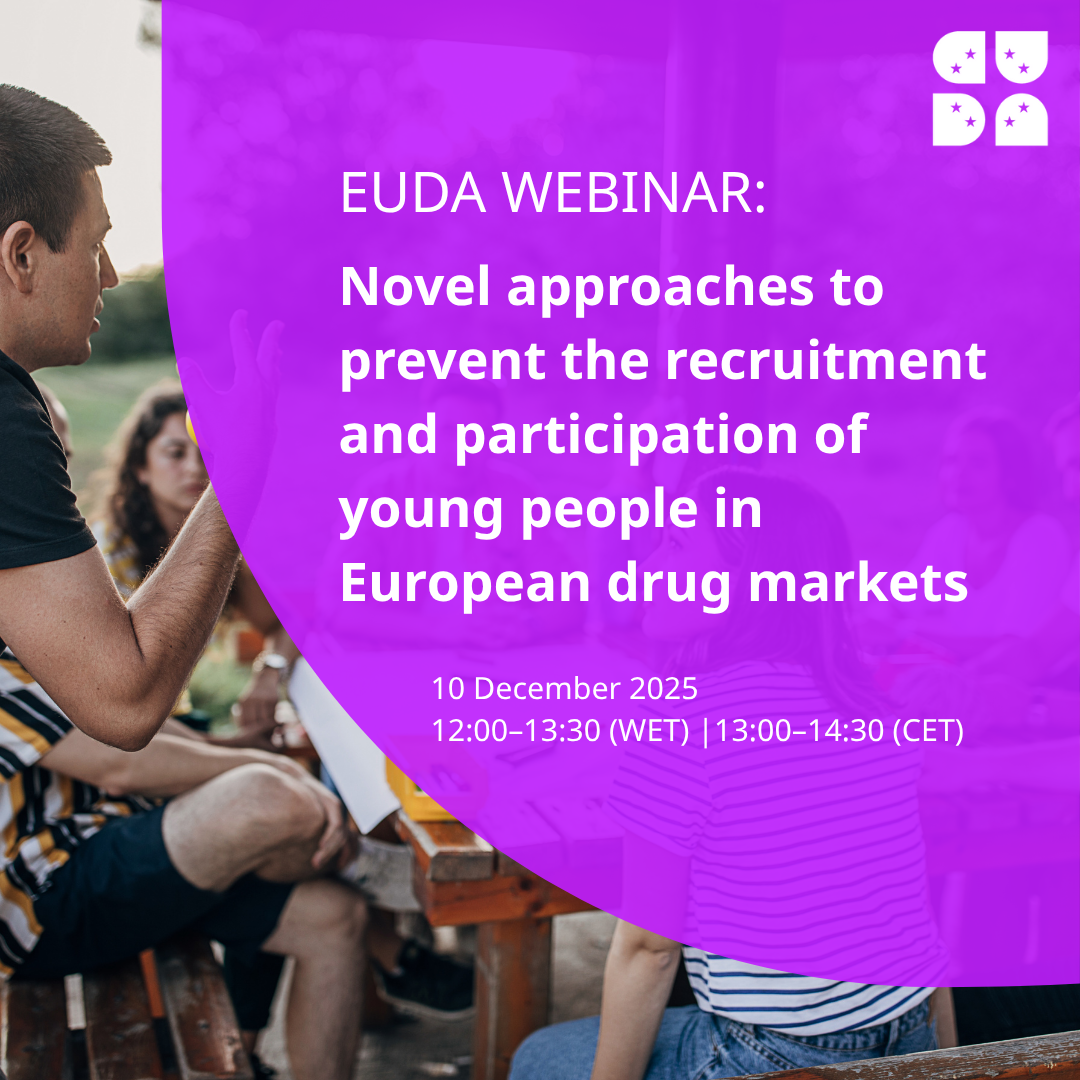

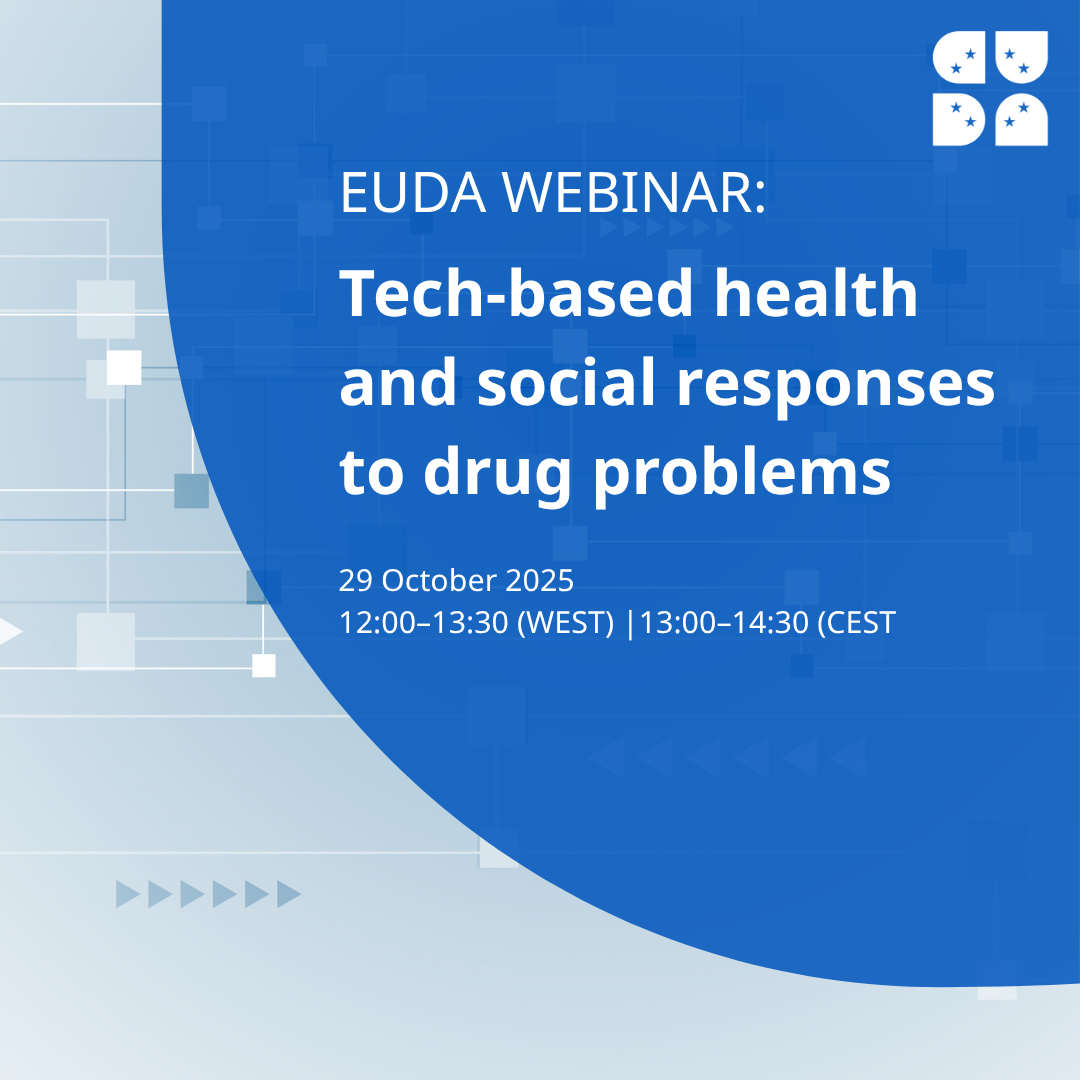
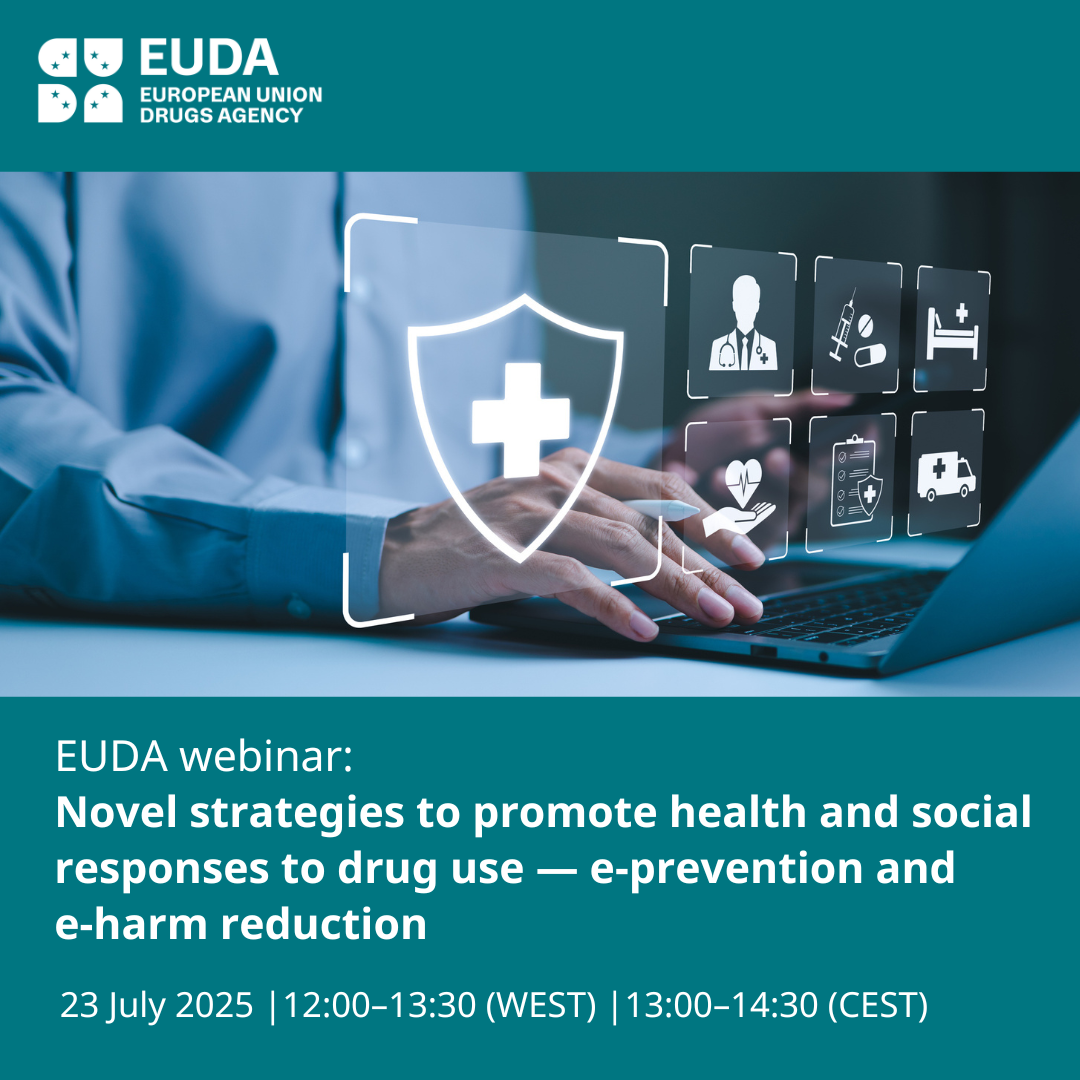
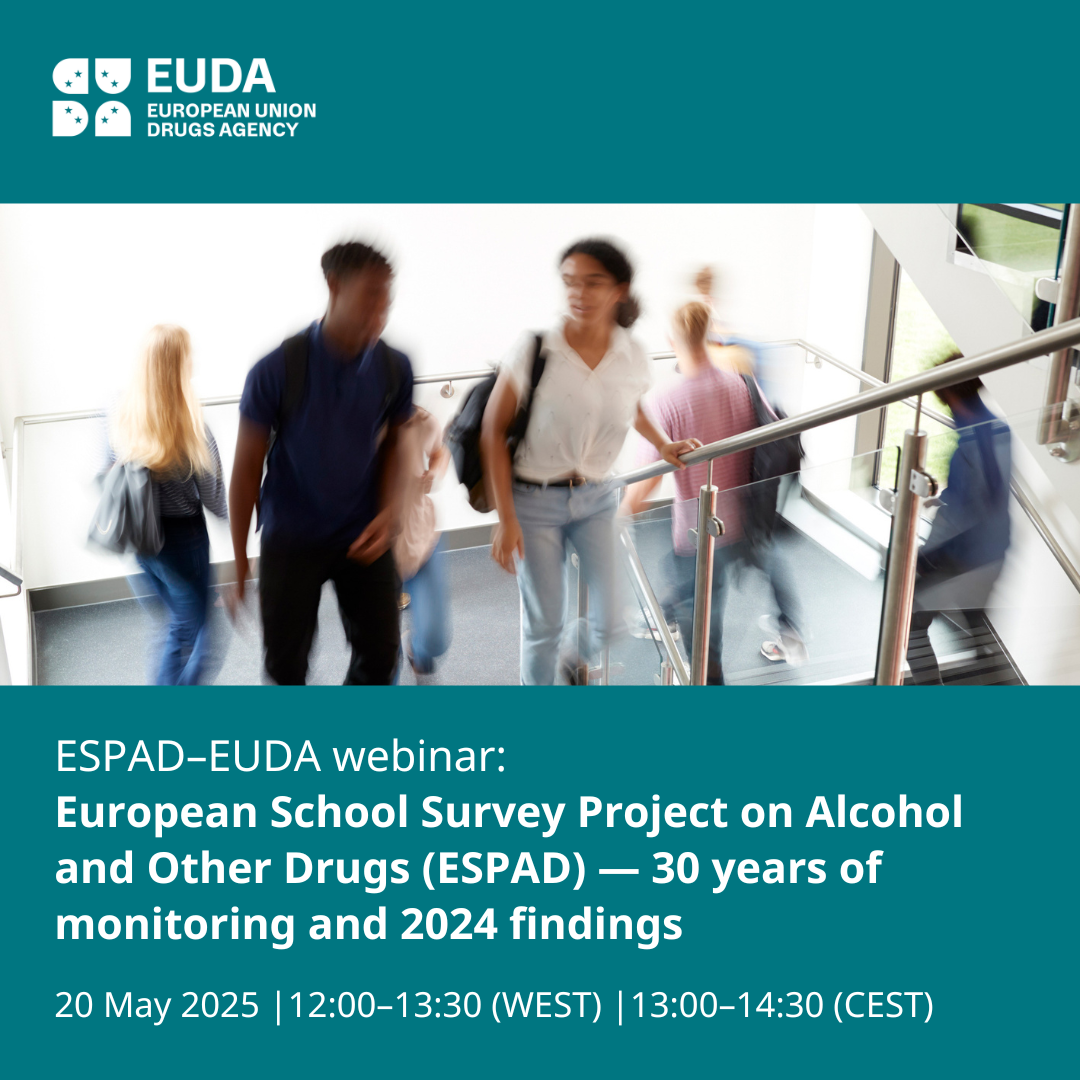

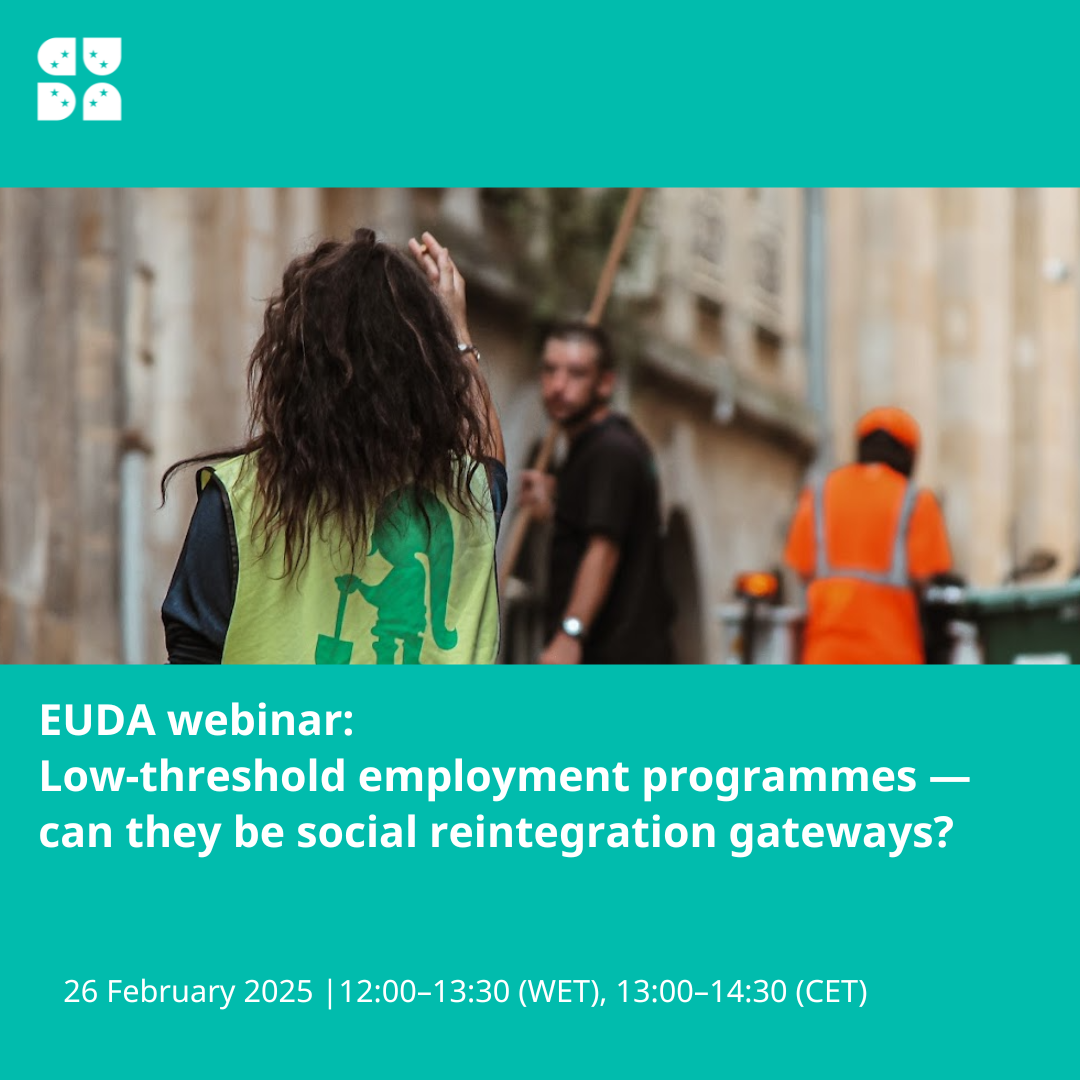
Throughout the year, we also hosted a series of webinars to amplify the voices of professionals in the drugs field, addressing key topics and emerging challenges in the health and security areas. In 2025, these sessions attracted approximately 1 200 participants worldwide.
We strengthened the capacity of professionals working in health and social responses in the drugs field by delivering training courses using the the European Prevention Curriculum (EUPC).
‘It was truly a pleasure to learn from professionals who deliver state-of-the-art knowledge and challenge us not to give in to the pressure to carry out our preventive work in a rushed manner, disregarding best practices and evidence-based procedures. It was also extremely valuable to gain a broader perspective on the cultural implications involved.’
Gizela Cardoso, Clinical Psychologist at Primary Health Care Services (Participant at the EUPC training course)
We share this knowledge through our Best practice portal, offering detailed information, up-to-date references and actionable guidance to support informed decision-making.
Reducing harm, protecting people

We supported countries in reducing drug‑related harms by strengthening evidence‑based health and social responses and improving guidance and monitoring. We expanded practical support through the European guide on health and social responses to drug problems, including new and updated mini-guides on harm-reduction equipment and cannabis-related health and social responses, helping to inform policy and practice.
To address drug‑related infectious diseases, we updated the Viral Hepatitis Elimination Barometer for people who inject drugs, supporting countries in monitoring progress towards the WHO 2030 elimination targets. We also contributed to the joint EUDA–ECDC European Toolkit for the Elimination of Viral Hepatitis in Prisons (EuroHePP), providing practical models of care for custodial settings.
In parallel, we strengthened understanding of drug‑related mortality by updating our FAQs on drug‑related deaths, supporting consistent data interpretation and more informed discussion.
Leading innovation in data collection and analysis
In 2025, we strengthened Europe’s drug monitoring capacity by continuing to enhance core data collection, in cooperation with the Reitox network of national focal points, and by integrating multiple innovative data sources to improve early detection, situational awareness, and evidence-based preparedness.

In 2025, the European Web Survey on Drugs (EWSD) reported results from data collected between May and July 2024 from people living in EU and non-EU countries aged18 or over who use drugs. Over 66 000 respondents participated across 35 countries.

European multi-city wastewater analysis
The European multi-city wastewater analysis, implemented with the SCORE network, covered 128 cities in 26 countries (24 EU Member States, Norway and Türkiye), based on a one-week sampling campaign.

European Syringe Collection and Analysis Project Enterprise (ESCAPE)
The ESCAPE project seeks to complement existing data on substances injected by users, by providing timely and local information derived from the analysis of the residual content of used syringes.

European Drug Emergencies Network (Euro-DEN Plus)
We published a report presenting findings on acute drug toxicity from sentinel hospitals in the Middle East, North Africa and the Western Balkans, drawing on data from 12 sentinel hospitals.

On International Drug Checking Day (31 March), we highlighted the role of drug checking services (TEDI) in identifying substances and mixtures in circulation and continued work to expand drug checking data within rapid monitoring.

Data collection from drug consumption rooms was further developed and piloted, with data used in the European Drug Report 2025 and updated templates and guidance tested to improve monitoring of hard-to-reach populations.
Staying ahead of drug threats
We strengthened EU preparedness for emerging drug threats through enhanced early warning, alerting and threat assessment capacities.

50 new psychoactive substances were formally notified through the EU Early Warning System (EWS).

Upon request by the European Commission, with our Scientific Committee we formally assessed the risks of three synthetic cathinones: 2-MMC, 4-BMC and NEP. These assessments led to their classification as controlled drugs under EU law.

Six public health-related alerts and advisories and five EWS requests for information were issued to support timely, coordinated responses to emerging risks.
European Drug Alert System (EDAS)
We launched the EDAS in November 2025 and hosted the second annual network meeting, strengthening situational awareness, preparedness and response at EU and national level.
EDAS released three risk communications on illicit cannabis with potential pesticide contamination, signals of increased fentanyl availability and related harm in Bulgaria, and a hepatitis A outbreak affecting multiple European countries and people who use drugs.
Network of forensic and toxicological laboratories
We continued to develop the newly established EUDA labs network, including the launch of a new analytical reference standards kit to support laboratories in identifying and analysing emerging substances. In October 2025 we hosted the network’s first in-person meeting in Lisbon.
EUDA Health and Security Threat Assessment System (ETAS)
We operationalised ETAS with the release of the first pilot threat assessment report on highly potent synthetic opioids in the Baltic region.
Informing drug policy

In 2025 we provided technical input to the development of the EU Drugs Strategy and the EU Action Plan against Drug Trafficking (published on 4 December) at the request of the European Commission and through participation at the Horizontal Drugs Group meetings.
At the 68th session of the UN Commission on Narcotic Drugs in Vienna, we supported the European Commission and EU Member States, co-hosting with the United Nations Office on Drugs and Crime a side event focusing on preparedness for a changing drug landscape and collaborative approaches to emerging drug-related challenges.
We continued to support policymakers in areas of rapid change, particularly cannabis policy, while developing the European cannabis policy toolkit to clarify policy objectives, capture policymaker experience and develop policy indicators.
Our topic overview on drug policy evaluation also provided practical resources, including a timeline of EU drug strategies and their evaluations and a database of national drug strategy evaluations.
The joint EUDA–ECDC European Toolkit for the Elimination of Viral Hepatitis in Prisons (EuroHePP) provides practical support for health professionals working in custodial settings.
Strengthening strategic cooperation to address drug markets and related violence
We strengthened EU‑level security responses by reinforcing analysis of drug markets, trafficking dynamics and associated criminal threats, including those linked to drug precursors, in line with our extended remit.
Drug market monitoring was enhanced through improved data on drug supply, open-source intelligence, and darknet analysis, including the delivery of darknet drugs dashboards to Member States, prepared in cooperation with the Reitox network and Europol.
We also consolidated a newly established dedicated precursors function, delivering nine assessments at the request of the European Commission on cross-border risks linked to precursors used in synthetic drug production.
Intelligence to support policy and operational responses

A key milestone in 2025 was the completion of the fourth edition of the joint EUDA–Europol EU Drug Markets: In-depth analysis, with the publication of the MDMA module, thereby completing the planned series of drug-specific market analyses.

We also published a technical report on the impact of the Taliban drug ban in Afghanistan, documenting disruptions to heroin and methamphetamine production and outlining implications for European drug markets.
We strengthened our support to EU security cooperation through analytical briefings, including work on Syria, drug trafficking through ports and maritime routes, and the joint publication, Seaports: monitoring the EU’s floodgates for illicit drugs, published with the Regional Intelligence Liaison Office Western Europe of the World Customs Organization.
Strengthening scientific capacity and foresight
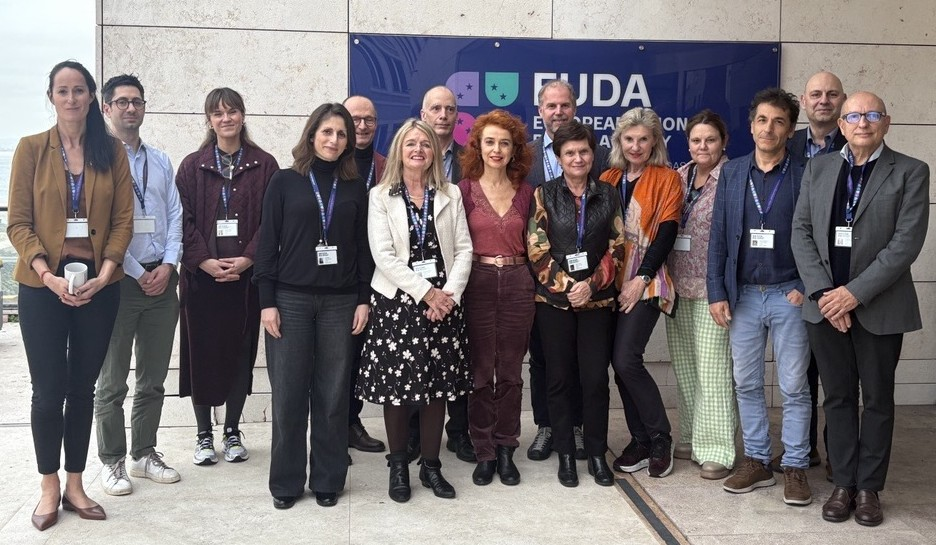
Our Scientific Committee plays a key role in ensuring and improving the quality of our work. In January 2025, the newly established EUDA Scientific Committee held its first meeting in Lisbon.
In line with its role, the Committee delivered a formal opinion on the Single Programming Document 2026–2028 and provided input on major projects and scientific publications.
Foresight remains central to our work, helping us to explore possible futures and provide EU institutions and Member States with the information needed for forward-looking decisions.

Under our lead, the 2025 report on foresight activities within the EU Agencies Network on Scientific Advice was published in the autumn and launched at a conference co-hosted by the European Parliament and the European Commission.
In November, in our role as Chair of the EU‑ANSA futures cluster, we organised the Futures Week in Brussels and Lisbon. Key activities included:
- an EFSA‑led workshop on foresight practices to strengthen cross‑agency cooperation and anticipatory governance under the One Health paradigm.
- the launch in 25 languages of our EUDA Foresight Framework Scenarios, exploring the future(s) of drugs and addiction in the EU by 2040.
We also contributed to the European Commission’s 2025 Strategic Foresight Report on resilience, drawing on input gathered through the informal foresight correspondents network.
Enhancing partnerships
During the year, our Management Board adopted two key forward looking frameworks to strengthen our collaborative approach with partners.

The International Cooperation Framework, adopted in June, guiding how we engage globally to anticipate developments, raise alerts and respond to international trends with potential impacts on health and security in the EU.

The new Reitox Alliance operating framework, adopted in December, establishing a renewed partnership that aligns the network’s activities with our expanded mandate.
We further strengthened our international partnerships through EU technical assistance programmes, including the Instrument for Pre‑accession Assistance (IPA8) and the EU4Monitoring Drugs II (EU4MDII). 2025 also marked the successful closure of the COPOLAD III project with Latin America, while ad hoc support was provided to the Central Asia Drug Action Programme (CADAP).
In November 2025, the EUDA signed a working arrangement with the Canadian Centre on Substance Abuse and Addiction, formalising cooperation and strengthening transatlantic exchange on shared drug-related challenges.
In 2025 we also strengthened our cooperation with civil‑society organisations. We laid the foundations for structured civil‑society engagement by establishing an internal Civil Society Advisory Group and agreeing on a shared working definition of civil‑society organisations aligned with our Regulation.
Communicating with impact

In 2025, we released the EUDA Communication Strategy 2025–2028: A customer-first approach, setting a clear direction for how we engage with our customers while strengthening our role as the main authority on drug preparedness in Europe.
In response to a rapidly evolving drug situation and our enhanced remit , we continued to strengthen our digital capabilities and improve the delivery of timely, relevant and user-friendly content.
During the year, we implemented 36 digital campaigns, responded to around 480 media requests, and recorded over 200 000 views on our YouTube channel. We also saw sustained growth across our social media channels, Instagram, LinkedIn and Facebook, while our website attracted an average of 6 500 visits per day, resulting in a total of around 2.3 million visits over the year.
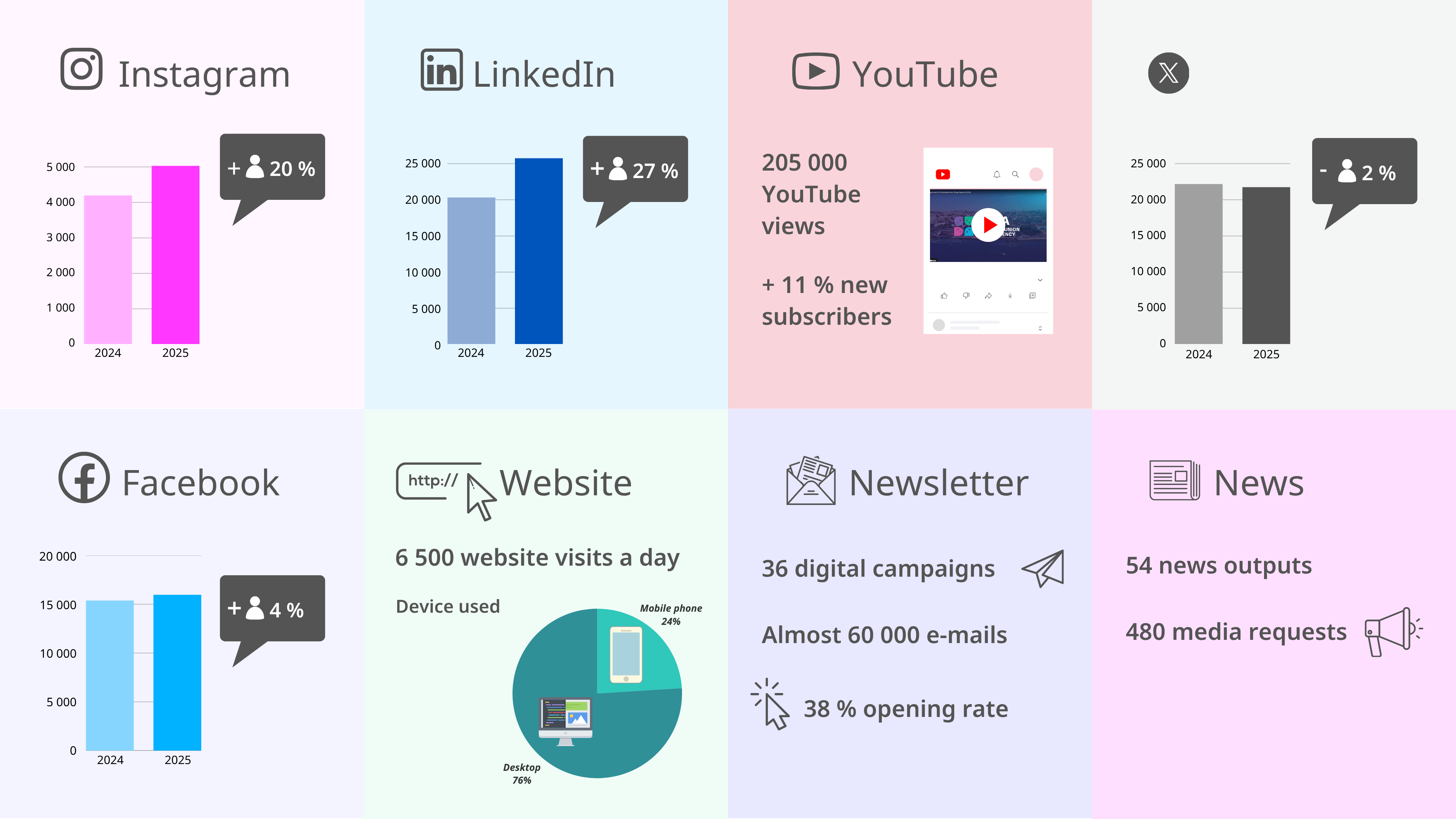
Together, these results reflect our strengthened digital presence and our commitment to more effective, customer-focused communication.
During the year, we also strengthened the external visibility and internal adoption of our new brand, reinforcing our voice and positioning. An EUDA visual identity manual was also published.
Accelerating organisational transformation
In 2025, we established an Organisational Development Plan (ODP) to support coherent organisational development following the entry into application of our new mandate. Designed as a multi-year programme running to 2027, the ODP provides the framework to manage operational growth and align strategy, governance, people, digitalisation, communication and service delivery. As part of this Plan, 68% of the workforce was trained in change management, strengthening organisational resilience and readiness for continued change.
Transformation was also supported through targeted staff development and digital modernisation. In that regard, a significant, agency-wide five-year digital transformation programme was launched, This is building on the 2024 ICT maturity benchmarking and integrating a cybersecurity risk‑management framework into ICT governance to strengthen resilience, compliance and trust in EUDA digital services.
The people behind our achievements

As we advanced our expanded scope, we strengthened capacity and grew to 129 colleagues.
We kept momentum high, filling 28 new positions (13 temporary agents and 15 contract agents) to support our priorities, while continuing to invest in our people. Through 143 training courses, we strengthened skills with a strong focus on leadership and navigating change.
And we stayed committed to the future, welcoming 12 trainees from eight nationalities.
For the first time, we participated in the Justice and Home Affairs Agencies Network staff exchanges, supporting knowledge sharing and inter-agency cooperation.
This is how we build a stronger, more agile organisation together.

A new chapter in leadership
A key milestone for the Agency was marked in June 2025, when the EUDA Management Board appointed Dr Lorraine Nolan as EUDA Executive Director, who took up her functions on 1 January 2026. She succeeded Alexis Goosdeel, who concluded his ten-year leadership of the Agency on 31 December 2025.
The appointment came at a time when the EUDA continued its organisational and service transformation under its expanded mandate.
In his final statement, Alexis Goosdeel said:
'It has been a great privilege and honour for me to have served as Executive Director of the agency and to have contributed to building a fairer and more effective Europe for its citizens, its decision-makers and for people who use drugs and their families.
I leave this role confident that the EUDA is ready to fulfil its new mission, and I trust that my successor, Dr Lorraine Nolan will successfully drive the agency through its next challenges and further evolutions.'

Full details will be available in our Consolidated Annual Activity Report 2025.